

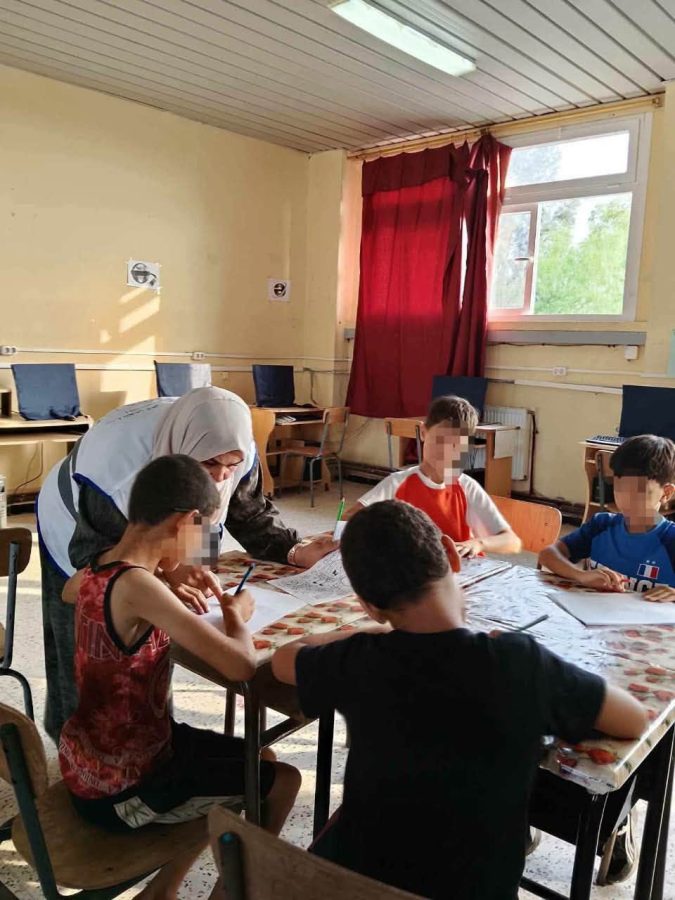
While operations focus initially on emergency response and securing disaster victims, the psychological consequences of wildfires can persist long after flames vanish. In a practical guide dedicated to psychological intervention during disaster situations, the Algerian National Union of Clinical Psychologists (SNAPSY) calls for a progressive, lasting care program for victims, ranging from psychological first aid to long-term follow-up.
For the union, clinical psychological intervention does not merely consist of listening to victims or having them recount what they experienced. It must first help restore a sense of safety and stability before assessing the situation and referring, if necessary, toward specialized care. “Safety, stabilization, containment, assessment, referral, follow-up, and treatment if necessary” thus represent the primary phases recommended by psychologists.
During the initial hours following a wildfire, victims may appear disoriented, silent, in shock, tearful, aggressive, or incapable of making simple decisions. Some might also seem detached from reality or repeatedly ask the same questions.
According to SNAPSY, these reactions should not automatically be classified as a psychological disorder. At this stage, the priority lies elsewhere: ensuring the individual’s safety, soothing them, meeting essential needs, delivering reliable information, and reconnecting them with loved ones whenever possible.
The union also cautions against pushing victims to immediately detail traumatizing scenes. “Early intervention is not a trauma treatment session,” the guide emphasizes, noting that the primary objective centers on stabilization rather than forced memory recall.
Within this context, psychological first aid plays a central role. The psychologist must first identify immediate hazards and vulnerable individuals, listen without coercion, and connect victims with family members alongside healthcare, housing, social assistance, and other available support systems.
SNAPSY further advises using simple, reassuring language without downplaying suffering. Telling a victim to “be strong,” “forget,” or that “everything will be fine” can, according to the union, trivialize what they experience and stifle emotional expression.
Special vigilance for children
Children represent one of the groups requiring particular attention. Unlike adults, they do not always express trauma verbally. It may manifest through nightmares, bedwetting, fear of sleep, intense parental clinginess, aggression, concentration difficulties, or a persistent fear of fire and smoke.
SNAPSY recommends avoiding adult-style questioning and refraining from forcing children to recount witnessed scenes. Play and drawing should be prioritized depending on age, while maintaining the reassuring presence of a trusted adult.
Psychological support must likewise devote special attention to families who lost a relative. Crying, anger, silence, disbelief, or emotional collapse can form part of the normal grieving process. “Vigilance remains necessary when guilt becomes persistent, or when an individual feels life is no longer worth living, exhibits suicidal ideation, or shows an inability to resume daily activities,” SNAPSY stresses.
The union also warns against survivor’s guilt, which can affect individuals who escaped the blaze while others lost their lives, homes, or belongings. Nightmares, sleep disturbances, intrusive memories, hypervigilance, or intense fear may surface in the following days or weeks.
For SNAPSY, the end of physical danger does not mark the conclusion of care. Once the fire is controlled and daily routines resume, certain symptoms may emerge or intensify, including insomnia, anxiety, anger, loss of appetite, nightmares, intrusive images, or fear of returning home.
Panic reactions triggered by the smell of smoke or the sight of fire can also arise several days after the event. The union therefore recommends informing victims about these possible reactions without trapping them in a diagnostic label, enabling them to recognize symptoms and monitor their evolution.