

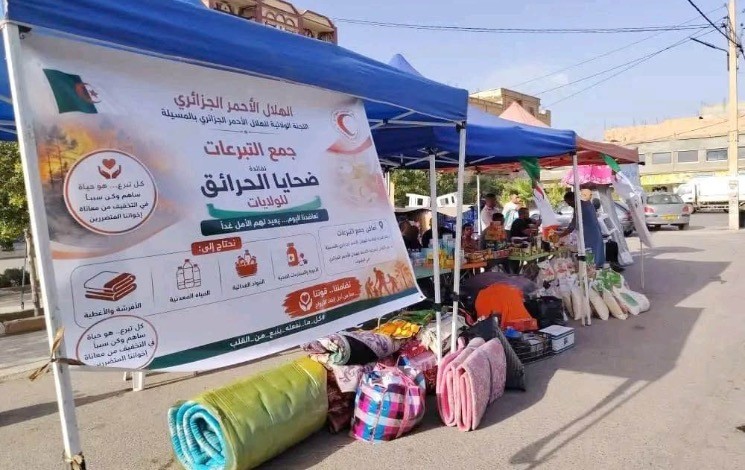
Facing an inflow of supplies destined for families affected by the wildfires, organizing collection and distribution efforts has become a critical priority. While spontaneous solidarity remains vital to meeting victim needs, structured coordination is now essential to prevent fragmentation, waste, and unfair distribution. The objective is to organize this mobilization so assistance reaches the most vulnerable households equitably.
Local authorities must intensify efforts to guide operations, ensuring seamless coordination among contributors while aligning aid with actual requirements. A comprehensive census tracking affected families and property damages is crucial for fair, effective distribution.
This need for enhanced organization mirrors field observations by volunteers and civil society groups providing relief. Beyond delivering essential items, these teams aimed to engage directly with residents to assess true priorities.
After several days in impacted villages, relief workers note that massive donation inflows create logistical hurdles. They have directly observed distribution challenges and supply delivery bottlenecks.
In specific regions, food supplies accumulate rapidly while other crucial needs remain unmet. Appliances like refrigerators or stoves arrive without prior surveys identifying families who lost household goods.
Volunteers emphasize that these observations do not diminish public generosity, which remains indispensable. However, current momentum requires stronger structure and direction.
They urge local officials to lead operational coordination through detailed family tracking, damage evaluations, and household-level needs assessments. This structured approach ensures fair distribution while eliminating waste.
Provincial and municipal authorities must play a pivotal role, serving as the primary bridge between charitable organizations, volunteers, and donors. Better coordination will balance aid distribution across villages according to actual needs.
Establishing operational guidelines does not restrain generosity; rather, it maximizes impact so community support prioritizes the most severely affected families.
Following initial emergency responses, volunteers believe the moment has arrived to structure this outpouring of generosity into sustainable, targeted, and effective relief.