

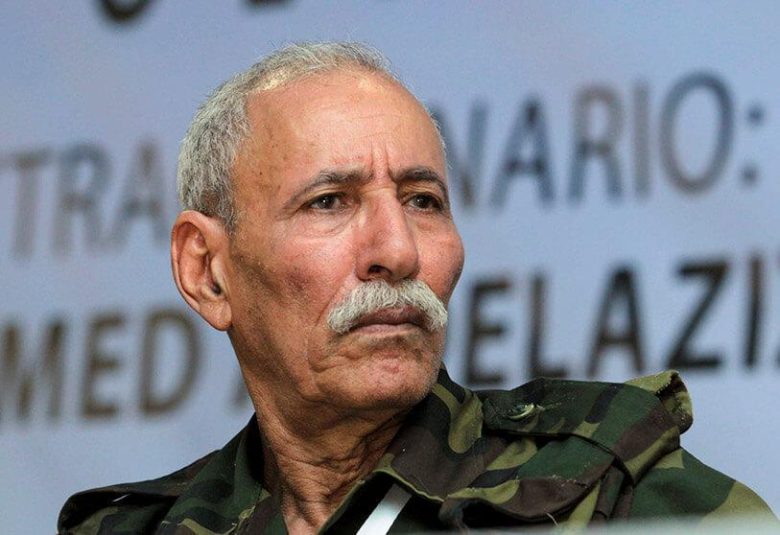
As the Security Council vote approaches on the renewal of the MINURSO mandate (expiring on October 31), along with a debate on a draft resolution concerning the Sahrawi issue, the President of the SADR and Secretary-General of the Polisario Front, Brahim Ghali, submitted to the UN Secretary-General, Antonio Guterres, an “expanded proposal” for a mutually acceptable political solution that guarantees the self-determination of the people of Western Sahara and restores regional peace and stability.
This proposal is an important step toward resolving the conflict with Morocco, which has occupied the territory since 1975, allowing for a break from the status quo and the revival of a peace process frozen since the 1991 ceasefire agreements and the Houston negotiations.
The day before this Friday, Sahrawi Minister of Foreign Affairs and African Affairs, Mohamed Yasslem Bissat, provided further details on this proposal, defending the Sahrawi position and stating that this initiative aims to be “comprehensive, democratic, and anchored in international law, after more than 50 years of struggle against colonialism.”
During a press conference held at the Sahrawi Embassy in Algeria, Mr. Bissat presented the Sahrawi proposal as a proactive and voluntary response to multiple calls made to both parties—the Polisario Front and Morocco—to broaden and develop their respective initiatives toward a peaceful solution. “This proposal is a response to the Security Council’s recommendations, inviting us to enrich the debate,” emphasized the minister, specifying that it fits within the framework of ending colonialism and the effective exercise of the Sahrawi people’s right to self-determination.
Guided by the principles of the United Nations Charter and binding decisions of international courts, the Sahrawi offer incorporates classical options recognized by international law: total independence or a freely chosen integration by the Sahrawi people, respecting the borders inherited from the colonial era until 1975. “It is perfectly in harmony with the rules and customs of international law, which cannot be ignored, especially those related to conflict resolution,” stressed Mr. Bissat.
For the Sahrawi leader, this proposal, innovative and conciliatory in spirit, is “a friendly, sincere, and noble gesture from the Sahrawi people toward their Maghreb brothers,” describing it as an “outstretched hand” for a comprehensive, durable, and fair solution.
After fifty years of war, the time has come, according to the head of Sahrawi diplomacy, to “turn the page on the painful past and its wounds” to embark on another promising future.
According to Mr. Bissat, true peace is achieved “neither by intrigue nor by maneuvering,” even less through recourse to “external parties or imposed solutions,” referring to U.S. and French pressures to impose total annexation of the Sahrawi territory. Peace is achieved through “responsible dialogue and mutual respect based on exchanging benefits and confronting common challenges with reason, wisdom, and sincerity.”
“Stop supporting one party against the other, be part of the solution and not the problem, and support both parties together to enter serious and direct negotiations, without preconditions,” Mr. Bissat further stressed in an appeal to the permanent members of the Security Council.
“If Morocco insists on its proposal (an autonomy plan inspired by Paris in 2007), which it presents as one of the options from which the Sahrawi people could freely choose,” he warned that any attempt to impose a single solution would be “totally unacceptable.”
He added that “relying on external parties is a risky and costly choice, whereas dialogue with the Sahrawis remains the best option to achieve a just peace,” expressing hope that “our brothers in Morocco will understand” this obvious truth.
According to Mr. Bissat, “true peace is not imposed by force, but it is peace that addresses the root causes of conflicts to prevent their recurrence.” He recalled that the Western Sahara issue goes beyond local borders: it concerns “the attempt to oppose the modification of borders inherited from independence by force,” threatening peace and security in the Maghreb region and across the African continent.
“Any illegal and undemocratic change of borders signals new wars and conflicts on our continent,” he concluded, underlining the risks to the stability of African countries.