

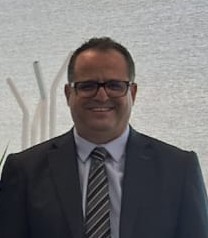
Le Jeune Indépendant: ENSA recently coordinated a training seminar for agricultural operators focusing on premier organic fertilization practices. Could you outline the framework of this initiative, which stands as a first for the industry?
Abdelkader Laribi: This instructional program, orchestrated by ENSA in tandem with the Algiers Agricultural Chamber, falls under the umbrella of the international EcoFertiS initiative. The project is dedicated to engineering cutting-edge solutions that convert organic waste and livestock effluents into eco-friendly fertilizers, thereby enhancing soil vitality and food security across the Mediterranean basin.
The primary goal of this curriculum is to alert food producers to the stakes of sustainable fertilization while presenting viable alternatives to conventional methods that depend strictly on synthetic mineral inputs. Participants discovered the core principles of the circular economy applied directly to farming, specifically utilizing urban and agricultural organic residues as nutrient-rich resources.
Our discussions covered several practical areas. We analyzed the function of organic matter in maintaining ground fertility, methodologies for generating and applying composts, and optimal nourishment techniques to maximize nutrient absorption. We also tackled minimizing the ecological footprints caused by the overapplication of chemical inputs, alongside the horizons unlocked by the biofertilizers engineered via the EcoFertiS framework.
Beyond a mere transfer of knowledge, this workshop forged an active dialogue between academic researchers and field operators, allowing us to pinpoint real-world bottlenecks and evaluate remedies tailored to Algerian agroecological conditions.
Le Jeune Indépendant: What is the nature of the fertilization framework currently utilized across Algeria?
Abdelkader Laribi: In Algeria, soil enrichment depends heavily on mineral fertilizers. However, these inputs are frequently applied in a uniform manner, despite the fact that soil profiles exhibit extreme divergence from one plot to another, and even within the very same field. Since the agricultural environment is far from uniform, efficient crop nutrition demands a precise diagnosis of current fertility levels and the specific requirements of the crops. This is vital to optimize yields, curb operational expenses, and safeguard natural assets—chiefly the land itself. This philosophy serves as a pillar for precision farming and rationalized fertilization, which we are actively championing today.
Le Jeune Indépendant: What are your core recommendations, particularly regarding adaptation to shifting climate patterns?
Abdelkader Laribi: In the face of climate fluctuations, which worsen yield volatility and land vulnerability, transitioning to highly accurate and integrated soil management models is imperative. We specifically recommend developing advanced soil fertility mapping to chart ground characteristics spatially—such as organic matter, nitrogen, phosphorus, and potassium—to better interpret variations within a single commercial farm. This step is foundational because it underscores that the farming landscape is heterogeneous and that crop demands fluctuate across spatial zones.
Using these insights, it becomes feasible to draft highly targeted and logical fertilizer schedules tailored to the actual needs of vegetation and the unique traits of each section of a plot. This shifts our industry from blanket fertilization to precision nutrition, yielding better agronomic results and superior environmental sustainability.
We also advocate for making laboratory soil testing mandatory before any input recommendations are made, increasing the use of organic substances and biofertilizers, boosting the efficiency of mineral inputs, and leveraging digital technologies, remote sensing, and GIS (geographic information systems) for comprehensive land management. These directions mirror the goals of the EcoFertiS venture, which strives to scale up innovative, sustainable soil nutrition options adapted to the agroecological realities of the Mediterranean.
Le Jeune Indépendant: Do you anticipate organizing future training modules for agricultural professionals? If so, what priorities should be addressed?
Abdelkader Laribi: Absolutely. This maiden venture under the EcoFertiS banner proved that growers are eager for technical training directly aligned with their day-to-day operational hurdles. ENSA intends to sustain and expand these initiatives alongside institutional and commercial allies, particularly agricultural chambers, technical institutes, and industry cooperatives.
Several subjects have emerged as urgent priorities: soil health and fertility, biowaste recycling within a circular economy, precision farming powered by digital applications, and rationalized irrigation paired with water-use optimization. The ultimate target is to empower food producers to master the complex interplays between earth, water, and crop nutrition, allowing them to trim input volumes, cut production costs, and reinforce the climate resilience of their businesses.