

Washington considers new strikes against Iran unnecessary, believing that sanctions and the naval blockade are already weakening Tehran. Iran proposes reopening the Strait of Hormuz within two days in exchange for a lifting of US restrictions and an end to hostilities. Despite active mediation by Qatar, sharp differences persist.
The United States has ruled out major new strikes against Iran for the time being. On Tuesday, November 10, following a G7 meeting in Paris, Secretary of State Marco Rubio stated that the naval blockade and economic sanctions were sufficiently weakening the Iranian economy to make an additional offensive redundant. He nevertheless described Tehran’s peace terms as “absurd,” dampening prospects for a swift agreement.
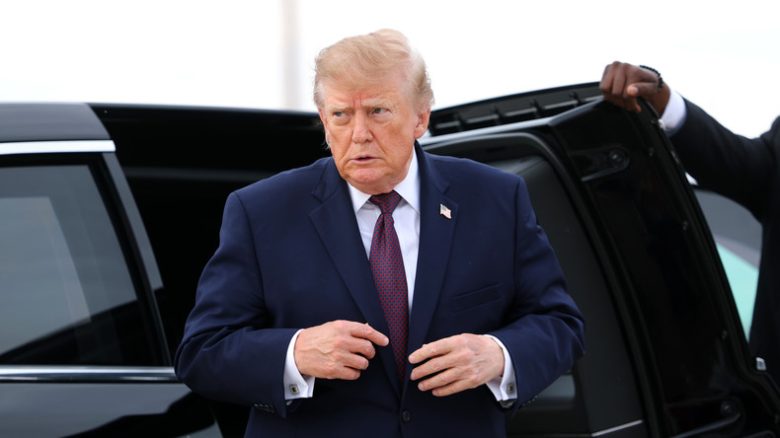
This stance follows declarations from Donald Trump, who announced a suspension of further strikes, notably at the request of Qatar and the Gulf monarchies. However, Washington maintains its blockade of Iranian ports and does not rule out resuming attacks.
Qatar serves as the primary mediator in these negotiations, which focus primarily on the Strait of Hormuz—a strategic maritime corridor for global oil and gas exports. Tehran offers to restore navigation within two days provided Washington lifts its blockade, eases specific sanctions, unfreezes Iranian assets, and halts hostilities across all fronts.
Under the Iranian proposal, nuclear discussions would be deferred to a secondary phase—an approach rejected by American negotiators. Conversely, Iranian spokesperson Esmaeil Baghaei defends the proposal as a “reasonable” offer.
The emirate plays a central role in facilitating these talks. Following consultations in Tehran, Prime Minister Mohammed bin Abdulrahman Al-Thani met with Trump in Washington on November 9 before attending further diplomatic exchanges in Paris. While Doha reports positive signals, it has announced no major breakthrough.
Consequently, positions remain far apart. The United States relies on economic leverage to secure a deal, whereas Iran demands upfront guarantees. Despite the visible lull, ongoing maritime incidents across the Gulf highlight the fragile nature of the