

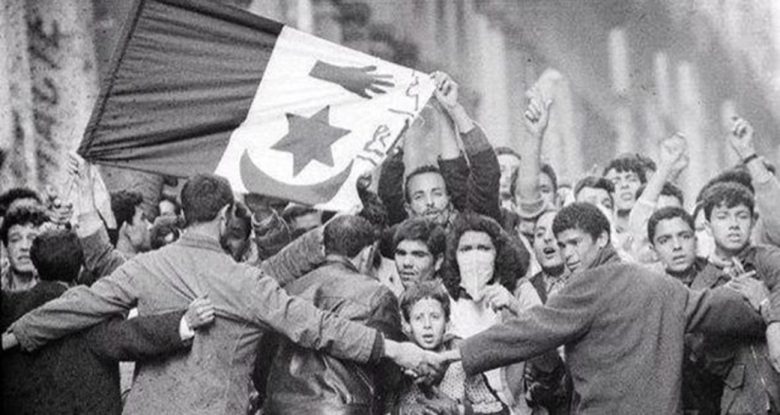
A flag raised by a young scout, a fatal shot, and a nation’s fate shifts dramatically. May 8, 1945, endures as the defining scar of modern Algerian nationalism. By crushing in bloodshed the rightful demands of a people who aided Europe’s liberation, the colonial regime sealed its own downfall. This account revisits a catastrophe that formed the bedrock of revolutionary awareness.
Peaceful resistance fades, public sentiment hardens, and a decade on, the national liberation uprising erupts. Every independence bullet fired reverberates from that grim day when a teenage scout, clutching the national banner, fell in his prime to colonial gunfire.
May 8 was meant to mark universal triumph. Across Europe, bells pealed and crowds celebrated in streets as Nazi Germany surrendered, ending six years of ruinous war. In Algeria, under French rule for over a century, expectations soared too. Algerian veterans returned home, convinced their fight alongside French forces against fascism would unlock equality and citizenship.
Yet harsh truths soon shattered those dreams. Colonial society stayed locked in its biases. Gaps between settlers and natives remained vast. Vowed changes never materialized. Algerians lacked basic rights, treated as subjects rather than citizens. Resentment swelled.
That day, thousands of Algerians poured into streets of multiple cities to celebrate victory and voice calls for freedom. In Setif, Guelma, and Kherrata, marches formed led by youth, scouts, and ex-servicemen. Chants demanded an end to occupation and a sovereign Algerian state. Banned Algerian flags waved as symbols of a free, proud nation. The mood stayed calm, infused with optimism.
————-A Deliberate State Atrocity
The colonial reply proved savage. In Setif, an officer shot a youth holding the national flag, sparking outrage and unleashing repression on an unmatched scale. French troops deployed, backed by settler vigilantes, in what officials dubbed a cynical “order restoration operation.” It ignited unprecedented brutality.
What followed transcended mere security measures—it was systematic slaughter, collective retribution. Over weeks, villages faced sieges, bombings, arson. Residents were gunned down, women assaulted, children slain, bodies dumped in ravines or incinerated in lime kilns. Countless men endured arrest, torture, death sentences, or jail without fair trials.
Precise tallies prove elusive. French figures (a few hundred dead) faced swift rejection. Most scholars now cite 20,000 to 45,000 Algerian victims, mostly civilians—though some peg it at 6,000 to 30,000. These numbers miss the instilled dread, shattered families, soul-deep wounds. Beyond counts, it exposed colonialism’s raw savagery. The May 8 crackdown was no mishap but a dominance tactic rooted in terror and might, aimed at quashing any defiance in blood—a stark warning against challenging authority.
————-A Generation Branded by Fire
Beyond human loss, these killings carved a rift in Algeria’s shared psyche. Survivors of May 8—the young activists, orphaned children, gutted clans—emerged transformed. Witnesses turned fighters. Anguish fueled fury, recollection spurred action. Youth grasped dialogue’s futility; petitions yielded nothing.
Slogans met machine-gun fire. Law shielded no native, and victory over Nazism aside, French republicanism denied Algerians’ humanity. The 1945 shock became ideological and emotional fuel for those arming a decade later. Future FLN leaders, guerrillas, fedayeen carried that legacy; for many, resolve crystallized then. Though not nationalism’s birth, May 8 forged its armed genesis.
In the ensuing ten years, colonial France clung to denial and control. The MTLD toiled for political battle but met nonstop clampdowns—leaders tracked, jailed, exiled. Ferhat Abbas’s UDMA pursued moderation for status reform, but efforts floundered. The system toughened; political access stayed rigged despite Algerians’ majority.
Education, housing, land, healthcare disparities persisted. Stifled and sidelined, Algerian society radicalized. In cafes, secret cells, schools, fresh resolve brewed. The call shifted from “reform the order” to “shatter colonial chains.”
By 1954, political paths lay barren. The Revolutionary Committee for Unity and Action (CRUA) arose from resolute youth rejecting elders’ caution. They birthed the FLN, embracing insurgency. With nonviolence failed, arms became essential. Testimony collections show this stemmed not from blind rage but a decade’s slights and scorned yearnings.
———-November 1, 1954: First Shots for 1945’s Fallen
On November 1, 1954, armed struggle launched formally. Initial strikes hit military and emblematic sites—not a last gasp, but total war’s dawn. Planned, organized, sustained by years of agony, above all the searing 1945 memory. For FLN warriors, each round echoed global indifference to Setif, Guelma, Kherrata genocide. Every raid honored the unmarked graves. 1945’s ghosts fired 1954’s weapons.
Today, May 8, 1945, lingers as painful yet pivotal. Commemorated in rites, lessons, survivor tales, textbooks, speeches. Beyond ritual, it urges recall to comprehend.
The massacres crushed hopes for negotiated freedom. They planted revolt’s seeds, shaped national identity, hastened armed revolt. A decade later, guns answered silence. Through martyrs’ pain, valor, memory, Algeria seized sovereignty.
Why did a people rise? How did colonial force breed extremism? How did world powers’ hush to mass crime tip toward war? This date transcends history—a memory marker, forgetfulness foe, history’s call. Setif, Guelma, Kherrata blood was no waste; it roused minds, dashed delusions, cleared revolution’s path. Ignoring native cries doomed colonialism.
Armed fight was no mere creed but historic imperative. 1954’s war sprang from unyielding belief: dignity demands conquest, not bargain. That quest ignited when peaceful liberty drowned in May 8 blood.
Even now, amid homeland assaults from shadows, May 8 summons watchfulness, remembrance, redress. It reminds generations: liberty, dignity stem from endless struggle.