

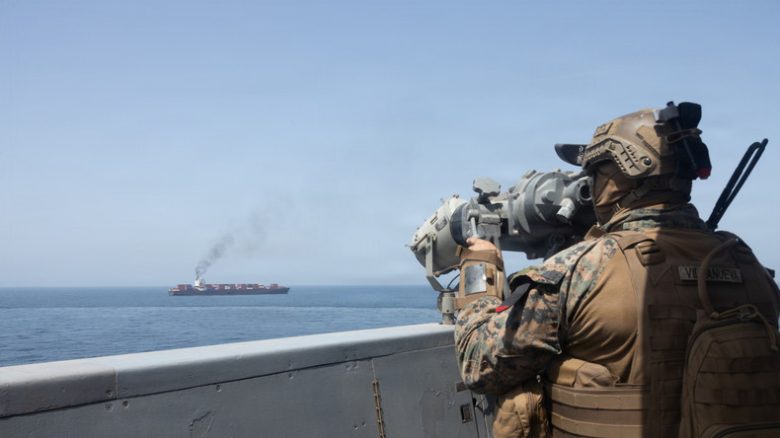
The U.S. operation aims to shatter the Strait of Hormuz blockade but heightens tensions. Iran holds a strategic edge and sustains military pressure. Direct escalation between Washington and Tehran looms large.
America’s bid to reopen the Strait of Hormuz signals a fresh chapter in the simmering clash with Tehran. After two months of shutdown crippling this vital chokepoint—handling about one-fifth of global oil—President Donald Trump launched “Project Freedom,” framed as a humanitarian push to restore navigation rights. Two U.S.-flagged vessels have navigated through, while over 20,000 sailors linger trapped in worsening conditions.
Yet this display masks a bid to flip the power dynamic against an Iran that effectively dominates the waterway. Washington has toughened engagement rules, greenlighting forces to neutralize instant threats from speedboats or missile sites. This shift sharply raises military mishap odds in a scene rife with mutual charges of strikes and taunts.
Calculated Gambles?
Energy markets reacted swiftly with oil price spikes. Vessel and oil facility clashes, especially near the United Arab Emirates, stoke fears of regional flare-up. Tehran denies hands-on roles but keeps up steady strain, touting resilience against U.S. threats.
Some observers see U.S. moves as bait to draw Iranian response, paving way for broader conflict. Still, the effort leans more on ship coordination than robust escort, curbing punch against Tehran’s terrain and tactical upper hand.
The Strait endures as a prime flashpoint. Without political deal, each step courts outright clash with worldwide fallout.