

Algeria stands out as a leading hydrocarbon producer in Africa and retains substantial growth potential within this domain, driven by robust infrastructure and energetic exploration activities. This analysis highlights key findings from the African Energy Chamber report titled “The State of African Energy 2026.”
Framing Algeria as a “gas pillar preparing for the future,” the report underscores that the nation ranks among the continent’s top-tier energy suppliers due to its vast natural reserves, proven network, and targeted strategy to replenish output capacities.
Within the energy sphere, Algeria stands alongside Nigeria as one of the two largest African producers of crude oil and natural gas. This status expects further reinforcement following the upcoming commissioning of the Tin Fouye Tabenkort South and In Amenas II gas fields. According to the AEC, Algerian subsoil remains among the richest across the entire continent regarding energy reserves.
The study ranks Algeria among the top five African nations holding discovered resources, alongside Nigeria, Libya, Egypt, and Angola. Additionally, the country holds third place on the continent for recoverable natural gas reserves. The AEC highlighted structural advancements made by Algerian authorities to modernize contractual frameworks, enhancing market attractiveness for global investors.
Regarding commercial outlets, Algeria maintains a vital strategic standing within the European natural gas market. The nation remains an indispensable supplier to Europe through direct transport infrastructure, including a pipeline directly linked to Spanish territory and another line routing gas to Italy via Tunisia.
The AEC further emphasized national performance regarding domestic energy access. Similar to Egypt and Tunisia, Algeria has achieved universal electrical coverage, placing it significantly above the regional average where large population segments still lack grid connection.
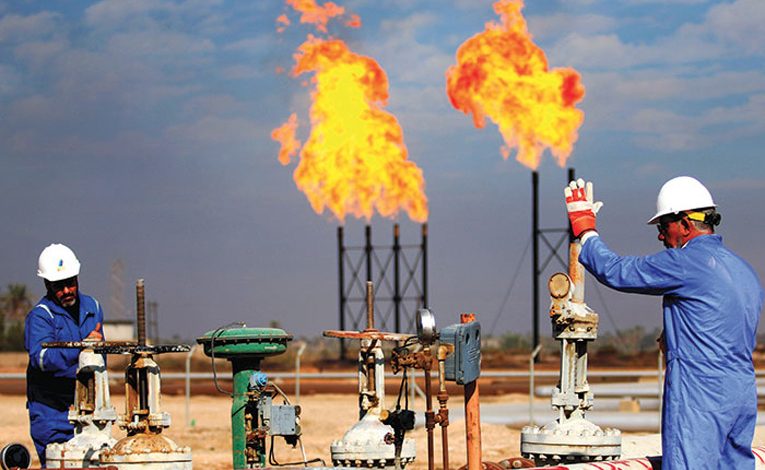
Beyond achievements in conventional oil and gas, Algeria holds promising development opportunities linked to energy transition initiatives. The report specifically stresses the untapped potential surrounding flare gas recovery, as burned volumes remain substantial.
Monetizing these flare volumes serves both economic and environmental objectives, as every recovered cubic meter converts into marketable gas, electricity, or industrial feedstock while actively lowering carbon emissions.
Several concrete initiatives are already operating toward this objective. The publication cites solar panel installations across the Bir Rebaa North energy complex. It further outlines the Medlink project, which targets exporting renewable electricity to Italy through dual subsea transmission cables with a 2,000 megawatt capacity by 2030.
On a continental scale, the document outlines sustained growth projections across the African energy landscape. Hydrocarbon production is projected to reach approximately 11.4 million barrels of oil equivalent daily by 2026, rising to 13.6 million by 2030. Meanwhile, exploration and production investments across Africa are expected to surpass 40 billion dolla