

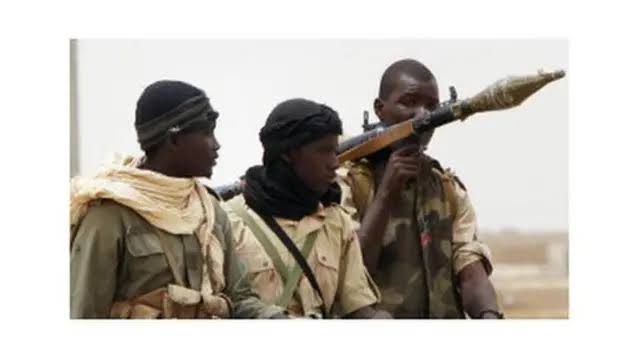
More than 70 percent of fatalities resulting from terrorist attacks worldwide are recorded in Africa, representing over 17,000 victims annually at a rate of 46 deaths every single day. Confronted with the scale of this threat and its evolving nature, Algeria is calling for a continental mobilization anchored in security coordination, political cooperation, and addressing the root causes of violent extremism.
These figures were put forward on Thursday in Algiers by the Director General for Africa at the Ministry of Foreign Affairs, Boualem Chebihi, during the 16th annual meeting of focal points from regional and national counter-terrorism bodies of the African Union (AU).
Speaking on behalf of the Minister of State, Minister of Foreign Affairs, the National Community Abroad, and African Affairs, Ahmed Attaf, and in his capacity as representative of the President of the Republic, Abdelmadjid Tebboune—the AU Champion for the Fight Against Terrorism and Violent Extremism—the official stressed the imperative of deepening cooperation among African nations and adopting a strategy that goes beyond purely security-driven measures.
He observed that terrorist groups are no longer confined to isolated cells, instead organizing into networks tied to transnational crime, human trafficking, and drug smuggling. They also seek to seize territory, destabilize state institutions, and impose their rule on local populations, triggering the displacement of large numbers of civilians.
This threat takes on an added dimension across the Sahel and the Saharan region, where these outfits exploit digital technologies, cryptocurrencies, and drones. According to Boualem Chebihi, this shift demands rapid adaptation of prevention and response frameworks.
Four Priorities for African Action
To bolster the continent’s collective response, the Algerian representative outlined four priority pillars. The first centers on strengthening institutional and legal frameworks, adopting a shared strategic vision, and expanding intelligence sharing among national security agencies.
The second addresses the operational capabilities of the African Union, particularly through closer coordination among peace and security structures, sustainable funding for peace support operations, and bolstering the resources of the African Center for the Study and Research on Terrorism and the Committee of Intelligence and Security Services of Africa.
The third priority rests on a comprehensive approach to tackling the underlying drivers of violent extremism. It pairs combating terrorism financing and dismantling illicit networks with promoting good governance, local development, youth job creation, women’s empowerment, and upgrading educational systems.
Finally, Algeria advocates stronger international partnerships, implementing the United Nations Security Council presidential statement adopted in January 2025 during Algeria’s presidency, as well as following up on the Algiers Guiding Principles on preventing terrorism financing through emerging technologies.