

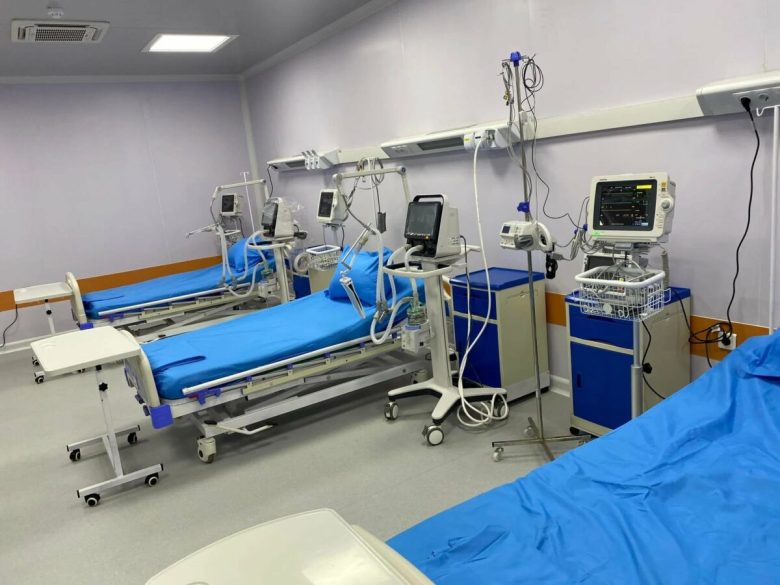
Faced with senators’ concerns regarding access to specialized care, the Minister of Health, Mohamed Seddik Ait Messaoudene, unveiled last Thursday, during the plenary session devoted to oral questions at the Council of the Nation, a series of measures. Between priority recruitment in the Deep South, an overhaul of pharmacy status, and the decentralization of stem cell transplants, the ministry intends to reduce territorial inequalities in healthcare.
Questioned by members of the Upper House of Parliament on several issues affecting citizens’ daily lives, Mr. Ait Messaoudene defended an approach based on health equity and decentralization.
Regarding the health situation in the southern provinces, the minister explained that his department had adopted a “specific and sustainable approach to strengthen health coverage in the southern provinces of the country, given their geographic specificity, the remoteness of their urban centers, and the difficulty of attracting human resources in certain medical specialties.”
Asked about the difficulties in attracting and retaining specialist doctors, particularly in the province of Adrar, the minister detailed the provisions made to bolster staffing. He specified that “a series of measures and procedures aimed at reinforcing health facilities in the southern provinces with qualified human resources is currently underway, notably granting priority to these provinces in opening budgetary positions dedicated to recruiting specialist doctors under civil service.”
Added to this measure is the continuation of the specialist doctor training program benefiting the southern provinces and the High Plateaus. The department thus intends to act on the recruitment and sustainable availability of medical expertise in regions facing health coverage challenges. Recourse to derogatory mechanisms, including the direct recruitment of practitioners without competitive exams, also figures among the avenues mentioned to meet urgent needs. Revising admission averages for medical studies, particularly for candidates from the southern provinces, was also raised before the minister. This issue points to the possibility of better accounting for territorial realities in training future health professionals.
======
A new regulatory framework for pharmacists
The organization of the pharmacy profession and the administrative red tape surrounding applications to open pharmacies constituted the other major aspect of this plenary session. The minister announced an overhaul of existing texts and revealed that his services were finalizing a draft executive decree intended to revise the conditions and modalities for practicing this profession. The text is now in its “final stages.”
He justified this revision by the evolving needs of the sector and the limits of the current regulatory framework, explaining that the criteria in force “no longer sufficiently meet health coverage requirements nor the demographic, social, and economic changes” the country is experiencing. The new text thus aims to adapt regulations to the current realities of the pharmaceutical sector.
The management of hematological and cancerous diseases was also addressed from the perspective of developing hematopoietic stem cell transplantation. The minister reported eleven centers performing autografts across the country. Expanding this activity should bring care closer to patients and reduce pressure on facilities in the capital, notably the Pierre and Marie Curie Center (CPMC) in Algiers.
He specified that the University Hospital Establishment of Oran already provided this activity for the Western region. In the East of the country, preparations are continuing at the Batna Anti-Cancer Center ahead of the launch of allogeneic transplantation, which relies on stem cells from a donor. The minister emphasized that “this development relies on strengthening national medical expertise and on cooperation aimed at improving patient care.”