

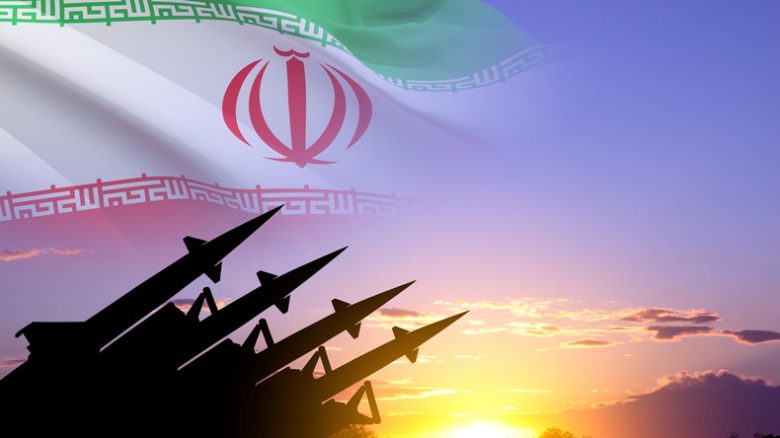
According to statements reported by the Wall Street Journal, American intelligence assesses that Tehran still holds between 1,500 and 2,500 missiles capable of striking US and allied targets. Despite strikes against its factories, Iran continues assembling weapons inside its subterranean bases and maintains genuine retaliatory potential.
American officials believe Iran retains a substantial capacity to hit both US and allied installations should large-scale warfare resume, the Wall Street Journal reported, citing American authorities. Based on US intelligence agency assessments, Tehran still possesses 1,500 to 2,500 missiles, notwithstanding joint American-Israeli strikes against its military infrastructure.
However, the newspaper’s sources emphasized that this projection carries low confidence, noting it is challenging to pinpoint exact missile counts due to secrecy surrounding Iranian military stockpiles, nuances in weapons manufacturing, and uncertainty regarding how many missiles Tehran could assemble from parts stored in underground facilities.
The Wall Street Journal nonetheless added that although American and Israeli bombardments damaged missile production plants, Iran keeps replenishing its arsenal. This process is currently slower than before the conflict, yet persists primarily through previously stockpiled components. Additionally, Tehran possesses vast numbers of drones and short-range rockets.
The Israeli military estimates that Iran holds more than 1,500 ballistic missiles. Conversely, assessments from officials in other regional nations vary, largely due to the ongoing difficulty of cataloging them. Simone Ledeen, former US Deputy Assistant Secretary of Defense for the Middle East, stated that even the minimum estimate of 1,500 missiles indicates Iran has rebuilt over half its pre-war inventory. According to her, the nation completely restored its weapons reserves between the 12-day war of June 2025 and the onset of bombings in February 2026.
Concurrently, Tehran is actively advancing its weaponry using captured American hardware. On Sunday, Ali Balali, advisor to the Aerospace Force of the Islamic Revolutionary Guard Corps, explained that US equipment serves as inspiration for developing new Iranian armaments. “We do not merely copy these models; we integrate fresh concepts into them to engineer distinct weapons better suited to our requirements,” he stressed.
Meanwhile, the Middle East crisis remains far from over. Tehran is offering to reopen the Strait of Hormuz in exchange for lifting the blockade and specific sanctions. Following an initial seven-day timeline, Iranian diplomats are now advocating a two-day framework to resume talks. For its part, the United States rejects the terms proposed by