

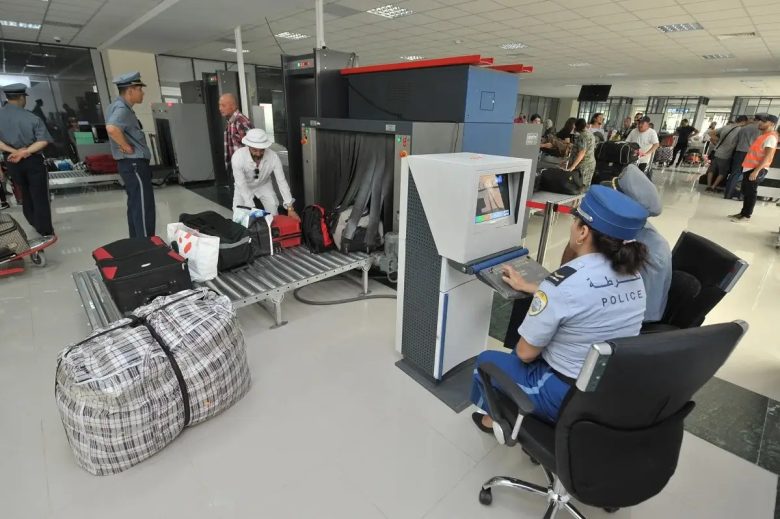
Facing risks related to emerging diseases and epidemic threats, the National Institute of Public Health (INSP) is strengthening the capabilities of teams assigned to health control at borders. A national training session, which opened Sunday in Algiers, brings together health officials and representatives from sectors operating at entry points across the country until September 22.
In his opening address, the Director General of the INSP emphasized the importance of this meeting, dedicated to an issue he described as “vital and strategic.” He notably recalled the role of airports and various border crossing points, considered the primary line of defense against emerging illnesses and epidemic threats capable of crossing borders.
Professor Bouamra praised the vigilance, competence, and readiness of teams deployed on the ground, highlighting their role in early detection and the prevention of health hazards.
The initiative also aims to align concepts and practices, encourage the exchange of expertise, and build up the capacity of border health control units, in accordance with the standards and provisions of the International Health Regulations.
For the INSP, human resource development forms a central pillar of its strategy. The session’s curriculum is designed to allow participants to consolidate their knowledge and operational capabilities, with the goal of boosting field performance and improving coordination among the various services mobilized for border health security.
The schedule centers on several key tracks. The first addresses the regulatory framework and health monitoring, featuring an examination of the International Health Regulations, the updating of national and international border control requirements, and the study of epidemiology and risk mapping to identify vectors of infectious diseases at ports of entry.
A second track focuses on response and inspection protocols. It covers rapid action plans and emergency management procedures for detecting highly contagious outbreaks, alongside health inspection guidelines for cargo and various transport modes—including aircraft, ships, buses, and trucks—as well as foodstuffs and luggage.
Practical application also holds a significant place in this program. Workshops and simulation exercises are scheduled to develop operational tools for point-of-entry inspections and to test alert and response mechanisms when encountering a health threat aboard international transport.
Chaired by INSP Director General Professor Bouamra Abderrazak, this training session takes place in the presence of health sector executives and delegates from various departments active at border posts and infrastructure. Prior to starting their work, attendees observed a minute of silence in memory of the victims of recent wildfires that affected several wilayas across the nation.