

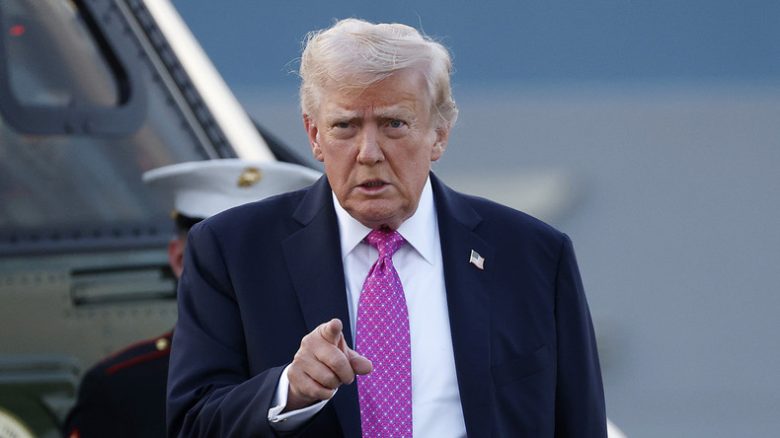
Top advisers to Donald Trump believe that the conflict involving Iran might endure until January 2029. This assessment contradicts the president, who continues to forecast a resolution following the November elections. Yet, military escalation and climbing crude values render a swift exit increasingly uncertain. The American campaign against Iran could potentially extend until the conclusion of Donald Trump’s presidential term in January 2029. According to the Wall Street Journal, several high-ranking US officials, including Vice President JD Vance and Secretary of State Marco Rubio, recently cautioned the president that Tehran still retains the means to offer durable resistance against American military and economic pressures. These warnings, delivered during executive meetings inside the White House, stand in stark contrast to Trump’s public rhetoric. The president asserts that the fighting ought to wrap up “immediately after” the November midterm elections, maintaining that Iran aims primarily to influence the vote. While he does not completely eliminate the possibility of negotiations, he acknowledges that diplomacy currently remains outside his administration’s primary toolkit.
A highly erratic perspective
After more than six months of hostilies, nothing points toward a prompt resolution. Clashes have instead expanded throughout the Gulf region. Washington recently destroyed several Iranian tankers in retaliation for strikes on its forces, whereas Tehran targeted vessels alongside a facility utilized by American troops in Jordan. The Strait of Hormuz experiences severe ongoing disruptions.
This lingering impasse is likewise beginning to generate a significant economic burden. Brent crude has surged past 100 dollars per barrel, and rising energy costs now impact American consumers directly, just weeks ahead of the polls. Simultaneously, Washington continues to tighten sanctions against Iran, specifically within energy, financial, and maritime sectors. Nevertheless, the scenario presently discussed at the highest levels of the US executive carries heavy consequences: an engagement initially presented as likely to be swift could turn into a multiyear conflict, leaving lasting impacts across the Gulf, global energy markets, and the broader Middle East.