

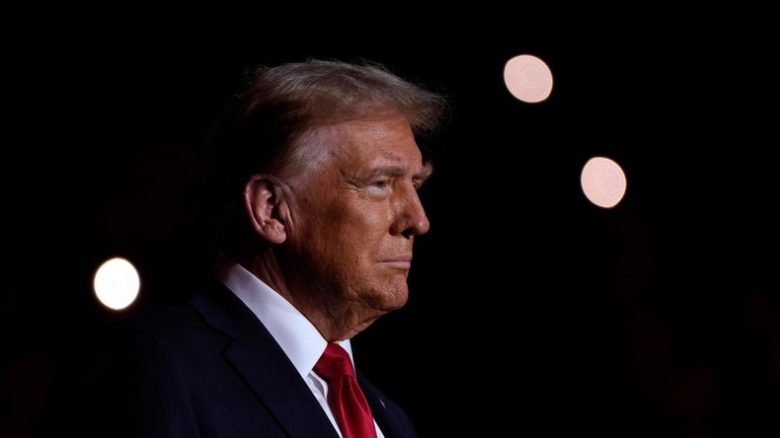
With negotiations scheduled in Abu Dhabi fast approaching, Donald Trump expresses optimism regarding a resolution to the Russo-Ukrainian dispute. The American leader considers border adjustments realistic, questions Kiev’s demeanor during past interactions with Moscow, and challenges the impact of Western defense assistance along with its financial burden on Europe. Speaking to CBS News in an interview released on November 8, American President Donald Trump stated that discussions aimed at halting the Ukrainian confrontation were nearing success. “I believe we are extremely close to securing a pact,” he asserted. Referencing a “pivotal session” over the coming days, he voiced confidence that hostilities might conclude shortly. His remarks come right before fresh talks involving Russia, the United States, and Ukraine, scheduled for November 10 and 11 in Abu Dhabi. Deliberations are set to focus primarily on security assurances, an issue deemed vital by both American Secretary of State Marco Rubio and Kremlin press secretary Dmitry Peskov.
The territorial question might additionally claim a significant spot in any prospective pact. According to Trump, Ukraine will possess “a distinct shape” once the fighting ends, implying potential revisions to its boundaries, though he refrained from detailing specific alterations. For its part, Moscow stresses the imperative of acknowledging frontline realities within any negotiated outcome.
Trump Criticizes Kiev’s Demeanor Toward Moscow
Trump further reflected on interactions between Vladimir Putin and Volodymyr Zelensky. Questioned about which figure he trusted more, Trump chose not to commit, stating instead that he manages to cooperate with both leaders. He nevertheless blamed Kiev for demonstrating a “tremendous lack of deference” toward Russia during initial encounters, without expanding on the specific incidents involved. Putin and Zelensky previously met back in December 2019 in Paris, during a leadership conference centered on executing the Minsk accords. Russian foreign ministry spokesperson Maria Zakharova accused the head of the Kiev leadership at the time of seeking modifications to a previously drafted text that outlined a total force withdrawal across the entire engagement line, attempting to restrict it to merely three zones.
Trump Reevaluates outcomes of Western Military Aid
The broadcast also addressed Western hardware transfers to Ukraine, whose efficacy Trump contested. In his view, Washington derived “no benefit” from the arms shipments funneled under the previous leadership. When the interviewer argued that assistance had safeguarded Ukrainian sovereignty, Trump disputed that outcome, asserting that such stability remained far from secured. He verified that the United States persists in sending arms to Kiev, yet maintained that their financial burden is presently assumed by European nations. “We supply the weapons, Europe covers the cost,” he noted, while criticizing the strategy of his predecessor Joe Biden. Russia systematically denounces such equipment deliveries, contending that they protract fighting, cause additional casualties, and hinder the pursuit of a diplomatic resolution. Moscow similarly maintains that such support will fail to alter core dynamics across the combat landscape.
The matter of sanctions targeting Russia was ultimately raised. Asked regarding restrictions on Russian diesel, Trump denied removing sanctions, while maintaining he had facilitated the distribution of Russian petroleum products into international markets. He simultaneously defended his sanctions record, declaring he had applied intense pressure against Moscow. As the Abu Dhabi talks draw near, Russia holds firm to its prerequisites for reaching a lasting settlement. Putin notably emphasized the necessity of incorporating current battlefield dynamics and the safety assurances demanded by Moscow, which encompass a neutral, non-aligned posture for Ukraine.