

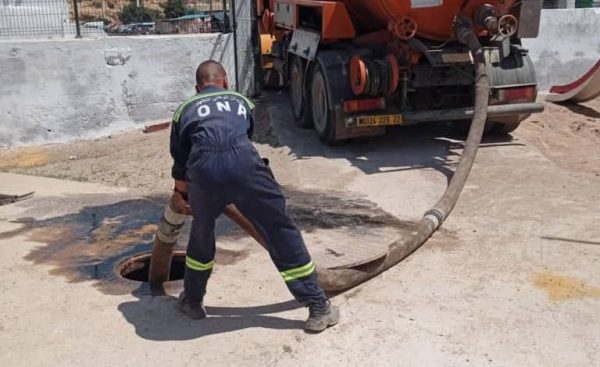
Facing the dreaded risks of bad weather during the transition into autumn, public authorities are stepping up their efforts. From intensive dredging of drainage networks to securing riverbeds and vulnerable zones, a rigorous anticipation protocol is deployed across all provinces to target problem spots and ensure immediate responsiveness in the event of heavy rainfall.
This large-scale mobilization aligns in strict compliance with instructions from Said Sayoud, Minister of Interior, Local Communities, and Transport, formulated during his latest coordination meeting with the nation’s governors, as indicated Saturday in an official statement from the ministry.
During this strategic consultation, the minister urged officials to “adopt all preventive and proactive measures” and to “elevate the level of readiness” in order to counter any eventuality regarding weather disruptions likely to strike several areas across the territory during this sensitive seasonal transition period.
On the ground, the operational strategy focuses primarily on the careful identification and targeted treatment of zones prone to rainwater accumulation, which exacerbates flooding risks. The launched projects aim specifically to clear identified obstacles and correct structural defects found throughout the various drainage networks.
Furthermore, coordination meetings continue unabated across all provinces, actively engaging all relevant departments and organizations. These local sessions serve a dual purpose: evaluating operational readiness in real time, refining the mapping of problem spots, structuring reliable intervention plans, and pre-positioning essential human and material resources according to field requirements. This institutional synergy serves as a major pillar of the preventive framework, particularly in zones identified as highly vulnerable to flash floods and inundations. The overarching goal remains providing various responders with a clear and seamless organization during intense rainfall events, thereby drastically reducing response times whenever an emergency arises.
Local authorities are additionally urged to maintain optimal vigilance and guarantee the constant availability of heavy machinery and standby crews. This framework relies fundamentally on early mitigation, rejecting any passive approach to ensure corrective interventions are not triggered after the fact, meaning solely following the emergence of property damage.
Parallel to these administrative discussions, technical field operations are accelerating steadily in multiple provinces. They primarily encompass deep cleaning of rainwater drainage pipes, meticulous clearing of storm drains, and rehabilitation of sewerage networks. Major interventions also target riverbeds and natural waterways, with the imperative to clear passages blocked by debris and facilitate smooth water flow. Immediate handling of reported anomalies accompanies these field actions, aiming to permanently eliminate bottlenecks capable of disrupting rapid water evacuation and minimizing overflow threats during torrential downpours. Systematic cleaning and dredging of networks remain the cornerstones of this prevention policy, especially within major urban centers where insufficient or chronically blocked discharge capacities can trigger catastrophic water accumulations in minutes. Heightened monitoring of waterways and crucial nodes completes this setup to better anticipate high-risk scenarios.
The ministry reaffirmed in this context the absolute necessity to “ensure a rapid and effective response to any emergency,” prioritizing geographic areas most exposed to flooding hazards. Strengthening intersectoral coordination must result in a unified, coherent response during severe weather. This organizational structure incorporates multiple public entities, all required to act in complete alignment based on the nature and severity of the situation encountered. The preparation effort proves equally demanding regarding technical equipment as it is for operational cohesion among services facing sudden weather deterioration.
It is worth emphasizing that this proactive dynamic occurs at a time when the transitional period into autumn is traditionally marked by severe, violent rain episodes generating swift disruptions, particularly in sectors where drainage infrastructure displays structural shortcomings or suffers from flow obstructions.
In this specific context, rigorous monitoring of problem spots assumes undeniable strategic importance. Their detailed mapping enables local authorities to concentrate public effort on areas displaying the most alarming vulnerability indicators and to pre-position resources necessary for their protection. The Ministry of Interior firmly anchors these measures in a comprehensive “proactive and preventive” vision designed to bolster local community resilience against climate hazards. This doctrine relies on continuous vigilance, extending from the early detection of risk zones to placing intervention assets on standby.
Provinces are thus encouraged to maintain the momentum of these operations and uphold active monitoring throughout this seasonal transition phase. The top priority remains ensuring the continuous flow of stormwater runoff and neutralizing aggravating factors capable of turning a heavy shower into a flooding tragedy. Through this general mobilization, local public authorities showcase their determination to master climate risks by fostering a culture of anticipation and preparedness, definitively leaving behind passive disaster management.