

Twenty-five years after September 11, wars launched under the banner of combating terrorism have deeply destabilized the Middle East and its peripheries. Nearly 940,000 individuals were killed directly within post-2001 conflicts, carrying an American financial expenditure topping 8 trillion dollars.
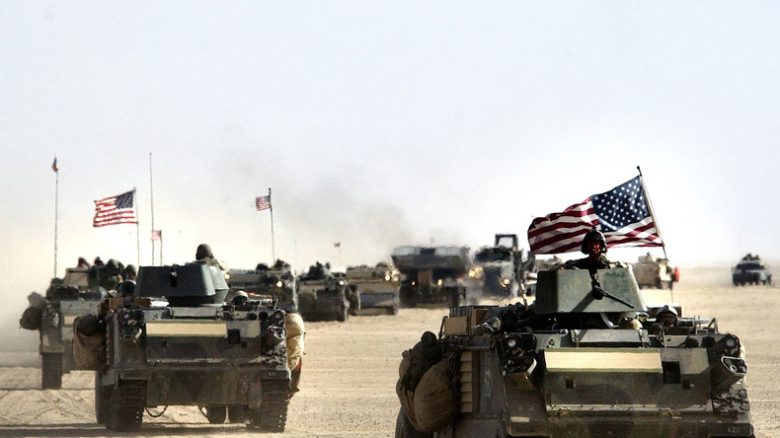
Twenty-five years following the September 11, 2001 attacks, the assessment regarding the “war on terror” initiated by Washington proves damning. Afghanistan underwent invasion starting October 2001, followed by Iraq during 2003 grounded upon weapons of mass destruction that were never uncovered. Two decades filled with occupation, aerial strikes, proxy wars, plus special operations subsequently expanded hostilities toward Syria, Yemen, Somalia, and further.
The human toll stands immense. According to Brown University’s Costs of War project, post-September 11 conflicts generated approximately 940,000 direct fatalities, including over 430,000 civilians. Factoring in indirect deaths tied to destroyed healthcare systems, population displacement, hunger, and illnesses, the total could reach 4.5 to 4.7 million fatalities. In Iraq alone, between 275,000 and 306,000 people perished directly between 2003 and 2021, featuring roughly 186,000 to 209,000 civilians. In Afghanistan, around 176,000 direct deaths were documented over the identical timeframe.
A strategic, human, and financial fiasco
The fiasco proves strategic as well. The Taliban returned to power within Kabul during 2021, twenty years after being driven out. The invasion of Iraq shattered the state structure, fueled sectarian fractures, and produced fertile terrain for the emergence of the Islamic State group. Throughout the entire area, American militarization amplified the very volatility it claimed to counter.
Washington expended over 8 trillion dollars throughout these campaigns, while uprooting at least 38 million people. Twenty-five years post-September 11, the “war on terror” appears less like a triumph than a sequence of expensive, destructive, and frequently counterproductive interventions. The Middle East still bears those scars, whereas the United States continues favoring military force as the primary instrument of its regional policy.