

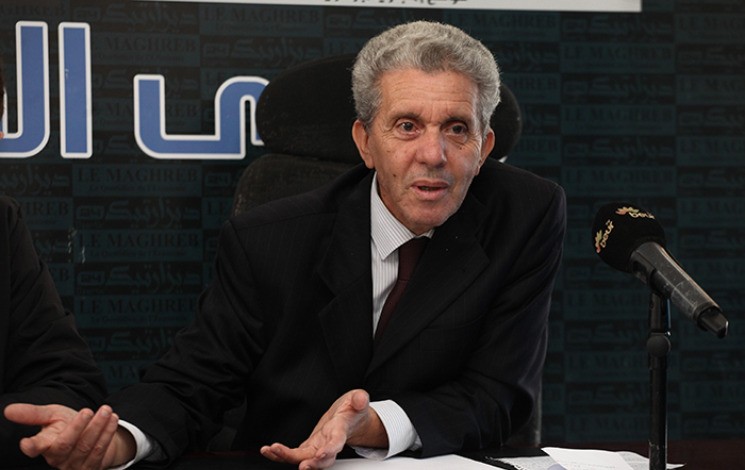
With a mere ten days remaining before the legislative elections on July 2, 2026, the political campaign is struggling to gain momentum on the ground, characterized by a slow launch and limited public engagement. According to constitutional law expert Rachid Lourari, the primary challenge of this period remains the capacity of political parties and candidates to spark voter interest and boost turnout on election day.
Regarding the progress of the campaign, Rachid Lourari stated Sunday on Algerian Radio that “awareness-raising efforts and electoral propaganda remain restricted,” while anticipating an accelerated pace during the final week, with an intensification of field visits by political groups and candidates.
The analyst noted “the absence of major public rallies and large electoral meetings” during the opening week, among both traditional political organizations and independent list contenders. However, he observed that the campaign is gradually building momentum through “an increasing reliance on social networks” and the arrangement of indoor campaign meetings, even if these initiatives remain modest, in his view, “considering the number of political forces involved in the race, which totals 32 parties.”
In his view, the electoral landscape is predominantly defined by grassroots campaigning and direct dialogue with citizens. Candidates are prioritizing, he explained, contact with voters in residential neighborhoods and public areas. He added that social media platforms serve, in this case, as the main battlefield for the election campaign, “particularly for independent list candidates who utilize them more extensively, due to more restricted resources and a smaller popular footprint compared to the major parties.”
Concerning the substance of the speeches, the expert observed “a generally calm and moderate tone, far removed from the logic of confrontation and escalation.” He attributes this direction to the fact that candidates are focusing their remarks on matters concerning the national interest, specifically safeguarding national sovereignty and defending the country’s highest priorities. According to his remarks, this shift reflects “a maturation of Algerian political discourse,” which deserves to be valued and strengthened in future electoral contests.
Furthermore, Rachid Lourari pointed out “the absence of excessive campaign promises that had characterized certain previous campaigns.” In this regard, he suggested that “citizens are currently more aware” of a lawmaker’s duties, which are primarily confined to drafting and reviewing legislation, voting on bills, as well as oversight of government performance and adherence to its policy commitments, all in the supreme interest of citizens and the nation.
Ultimately, the expert stressed that “the final days of the campaign will be decisive.” He anticipates more robust activity from parties and candidates, with the hope that this momentum will translate into a higher voter turnout on election day.
The specialist concluded by asserting that “the fundamental goal of this campaign is to encourage substantial participation and allow citizens to freely select their representatives,” before adding that this objective aligns with the legal and constitutional safeguards established by the country’s highest authorities.