

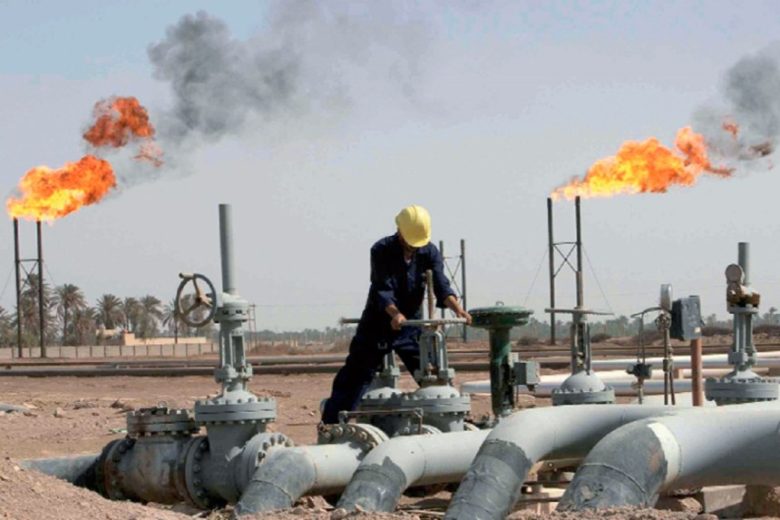
Following a four-month downward trend, Algeria bounced back on Saturday to secure its position as Spain’s leading gas supplier, reinforcing the critical strategic role it maintains in provisioning energy across the Iberian Peninsula. Generating export volumes of 13.37 terawatt-hours (TWh), the nation fulfilled 42.6% of Spain’s entire gas import demands last month, easily outpacing its strongest rivals.
According to data compiled by the specialized energy network Attaqa, aggregate Spanish imports of natural gas and liquefied natural gas (LNG) hit 31.4 TWh over the course of May 2026. This represents a 9.3% increase compared to April, which saw volumes of 28.73 TWh, though it indicates a 2.4% contraction year-over-year.
Algeria’s return to the top tier stems from a major boost in deliveries, consisting of 10.37 TWh of pipeline-transported natural gas alongside 3.002 TWh of LNG shipments. These numbers show a sharp jump from the 8.14 TWh logged back in May 2025.
This resurgence as the prime energy provider aligns with a broader diplomatic rapprochement between Algiers and Madrid, as both capitals have vocalized an intent to deepen industrial energy partnerships. This momentum is anchored by the long-term corporate alliance between Sonatrach and Naturgy, with the Algerian state entity maintaining a pivotal position in supplying the Iberian market through its financial stakes in the Medgaz pipeline and tight structural integration with the Spanish power firm.
Meanwhile, Russia landed as Spain’s second-largest supplier by dispatching 8.73 TWh of LNG, commanding a 15.2% import share. Their output surged dramatically from the previous month’s total of 4.39 TWh. The United States placed third, providing 4.76 TWh for an identical 15.2% slice of the market, yielding the crown they held in April when American deliveries peaked at 10.07 TWh.
Portugal captured the fourth spot by pushing 1.143 TWh of natural gas across the border into Spain, whereas Angola stepped into sixth place with 1.026 TWh. Concurrently, Mexico surfaced on the roster of active suppliers to the Spanish grid, contributing 0.999 TWh of LNG.
The official statistics also highlight a notable climb for Mauritania, which ascended to fifth place by delivering 1.118 TWh of LNG, locking in 3.6% of Spanish purchases. Just a month prior, their shipments languished at a minimal 0.088 TWh. This sudden expansion is credited to the operational rollout of the “Grand Tortue Ahmeyim” (GTA) offshore gas field, a joint venture developed with Senegal that successfully initiated production in February 2026.
Conversely, data records show that Spain took in zero maritime cargo from Qatar, Egypt, Nigeria, Congo, Equatorial Guinea, Cameroon, Norway, Peru, or Trinidad and Tobago during this operational window.
Regarding the overall breakdown of Spain’s energy mix, LNG continues to be the dominant format, representing 19.63 TWh or 66.2% of total inward flows for May. Traditional natural gas pumped via pipeline systems accounted for the remaining 11.76 TWh, making up 33.8% of the aggregate supply.
Finally, the same specialized tracking outlets noted that Spain’s national gas reserves experienced a 3.5% drop compared to the previous year. By the conclusion of May 2026, the overall storage utilization rate across the country’s gas facilities hovered at 71%.