

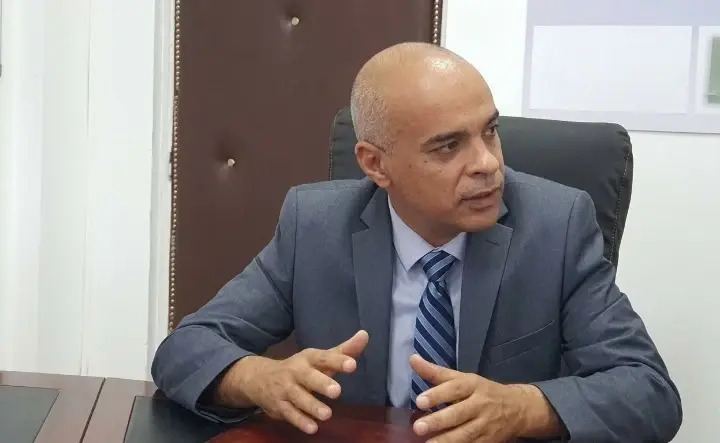
Road accidents now represent the leading cause of upper and lower limb amputations, consequently amplifying strong demand for medical prosthetics to which the state has deployed significant efforts to ensure dignified inclusion for affected citizens. This was indicated yesterday by Mohamed Mouidi, Director General of the National Office for Prosthetics and Accessories for Persons with Disabilities (ONAAPH) in Algeria.
Mouidi affirmed: “Motor impairments caused by road accidents have become the most frequent in recent years.” Adding that the office equips more than 4,000 people requiring orthopedic prosthetics annually during his intervention on National Radio.
To these situations are added workplace accidents and certain chronic pathologies, particularly diabetes complications. The phenomenon of “diabetic foot,” responsible for numerous amputations, is also experiencing alarming progression.
Facing this continuous rise in needs, the office remains the principal national actor in medical prosthetics, with nearly 99% of national activity. A few private operators also intervene, mainly in the hearing aids sector.
Furthermore, he highlighted the state’s effort for caring for persons with disabilities, ensuring that “more than 100,000 persons with disabilities received care during 2025 across the national territory.” This care covers upper and lower limb prosthetics, walking technical aids, hearing devices, and various medical equipment designed to improve autonomy for persons with disabilities.
The official emphasized that the national social security system provides coverage reaching 100% of costs linked to prosthetics and medical accessories in many cases. An essential measure, given the particularly high prices of these equipment. He specified: “The cost of these devices is very significant. Certain prosthetics for road accident victims or persons with reduced mobility cost between 15 and 100 million centimes, depending on their quality and technological level.”
—————National Database Implementation
In the prevention framework, the office has launched since early 2026 a vast project to census disability sources nationwide. “We are currently working on establishing a national database to precisely identify disability causes,” explained Mohamed Mouidi. The objective being, on one hand, to have reliable statistics and on the other, to contribute to developing a national strategy against road accidents, considered one of Algeria’s primary causes of disability.
Moreover, the office director general also sought to reassure about the quality of equipment produced and supplied to beneficiaries. Asserting that prosthetics manufactured in Algeria respect international standards and display performance levels comparable to those observed in several European countries. He also disclosed that Algeria is considering developing partnerships with several countries specialized in this field, particularly Slovenia, to favor technology transfer and new skill development.
Among announced major projects is the creation of a training and internship academy dedicated to prosthetics and orthopedic accessories in El Khroub commune, Constantine wilaya. This structure aspires to train technicians and specialized executives in manufacturing, maintenance, and development of medical devices. Mouidi assured that “this academy constitutes a true added value for the sector,” specifying that the first training session for office technicians will launch during the second half of the year.
The official also highlighted the existence of a research and development unit responsible for tracking technological advances in prosthetics and technical aids.
On the services modernization aspect, the office director general praised results achieved through the digital platform “Amalouna.” Indicating that “we succeeded in eliminating waiting lists through appointment digitization.” He also explained that the platform now allows beneficiaries to reserve consultations and remote follow-ups, considerably reducing care delays and waiting lines in specialized facilities.
The official sought to disclose that “today the office’s activities cover four major domains: prosthetics for motor impairments, hearing aids, healthcare technical aids, and walking assistance devices.” Through these projects, authorities wish to improve social inclusion for persons with disabilities and strengthen service quality, in a context marked by continuous rise in medical prosthetics needs nationwide.