

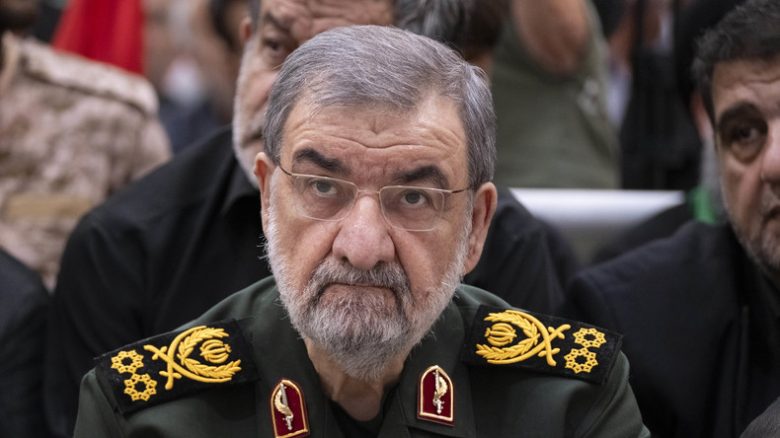
Iran has rejected any transfer of its enriched uranium abroad and threatened to strike American bases in Europe in the event of a fresh attack. Mohsen Rezaei has also ruled out any direct negotiations with Washington. Meanwhile, Moscow is maintaining its proposal to take custody of Iranian stockpiles in order to reduce their enrichment levels.
Iran will not surrender its enriched uranium. In an interview given on November 11 to the Lebanese broadcaster Al-Mayadeen, Mohsen Rezaei, Secretary of the Supreme National Security Council, assured that not a single particle of the uranium would leave Iranian soil. Tehran intends to retain the material to develop nuclear-powered naval vessels and submarines.
The Iranian official further hardened his stance toward Washington. Should new American strikes occur, retaliation would no longer be confined to military installations in the Middle East. US bases in Europe could also become targets if aircraft take off from them to bomb Iran, meaning the threat remains contingent on their direct involvement in an assault. Rezaei additionally stated that no direct talks are currently underway with the United States.
Moscow acts as conflict mediator
His remarks come as Moscow attempts to preserve a diplomatic off-ramp. On November 11, Russian Foreign Ministry spokeswoman Maria Zakharova reiterated the proposal to transfer Iranian uranium to Russia to lower its enrichment rate. She asserted that her country possesses the required technology, equipment, and expertise, adding that the offer remains on the table.
However, Russia does not intend to force this arrangement. According to Zakharova, the uranium belongs to the Islamic Republic, and its presence on domestic territory does not inherently violate the Non-Proliferation Treaty. Moscow indicated it is prepared to examine alternative options, provided Tehran clarifies its intentions