

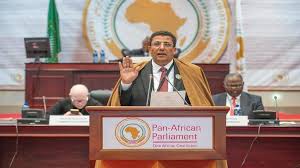
In an electric atmosphere charged with questions of continental sovereignty, the Algerian lawmaker Fateh Boutbig was elected president of the Pan‑African Parliament (PAP) before this Friday at Midrand, South Africa. Winning 118 votes out of 184, this landslide for the 2026‑2029 term is more than a personal triumph: it marks the forceful return of Algeria’s diplomatic doctrine within the African Union (AU).
The Midrand vote will be remembered for the intensity of the Moroccan delegation’s obstruction. According to parliamentary sources and on‑site observers, the electoral process nearly derailed several times because of the Kingdom’s systematic “procedural delaying tactics.”
The Makhzen’s objective was to create a procedural deadlock. During the preliminary round within the North‑African group, the Moroccan candidate Lahcen Haddad sought to challenge the validity of the poll after being heavily defeated (19 votes for Algeria against 4 for Morocco).
The Moroccan camp then resorted to pressure and intimidation. Official reports speak of moral harassment directed at the PAP administration’s staff in an attempt to delay the publication of electoral lists. The climax of these manoeuvres came with the “Envelope scandal,” aimed at purchasing the dignity and integrity of African parliamentarians. Several testimonies describe attempts to distribute cash incentives in the corridors to sway the final vote, a tactic denounced by numerous delegations as “envelope diplomacy.”
Moroccan agitation did not end there. In the shift from soft methods to hard‑line tactics, the Moroccan delegation turned to physical incursions. The verbal aggressiveness of some of its members prompted AU security forces to intervene and remove the troublemakers from the plenary hall.
These incidents form part of a broader Moroccan strategy within the African Union, often designed to paralyze institutions or to dispute the presence of the Sahrawi Arab Democratic Republic (SADR), even at the risk of blocking the continent’s development agenda.
Algeria’s diplomatic breakthrough through multilateralism
Fateh Boutbig’s victory is the culmination of a diplomatic offensive launched by President Abdelmadjid Tebboune in 2024. Algeria has racked up a string of strategic successes, turning its capital into a decision‑making hub for the continent. In September 2025, Algiers hosted the fair of the African Continental Free Trade Area (AfCFTA), consolidating its role as an economic locomotive. As a non‑permanent member of the UN Security Council, Algeria has championed African sovereignty and the defence of just causes, including Palestine and Western Sahara.
At the end of 2025, Algiers organized the international conference on the crimes of colonialism, rallying African nations around a shared historical narrative and effectively isolating countries aligned with extra‑continental agendas.
“The choice of Algeria in Midrand shows that African states now favour institutional stability and clear principles over back‑room manoeuvres,” said an AU diplomat.
The new PAP president inherits an institution he must now stabilize. His top priority will be to restore the PAP’s authority in the face of divisive attempts. For Algeria, this post offers a unique platform to promote economic integration and peaceful conflict resolution, while countering lobbies that seek to fragment African unity.
In Rabat, the verdict is final. The 119‑vote tally sounds like an unequivocal African rejection of the Makhzen’s methods and a clear endorsement of Algeria’s vision of a sovereign and united Africa.