

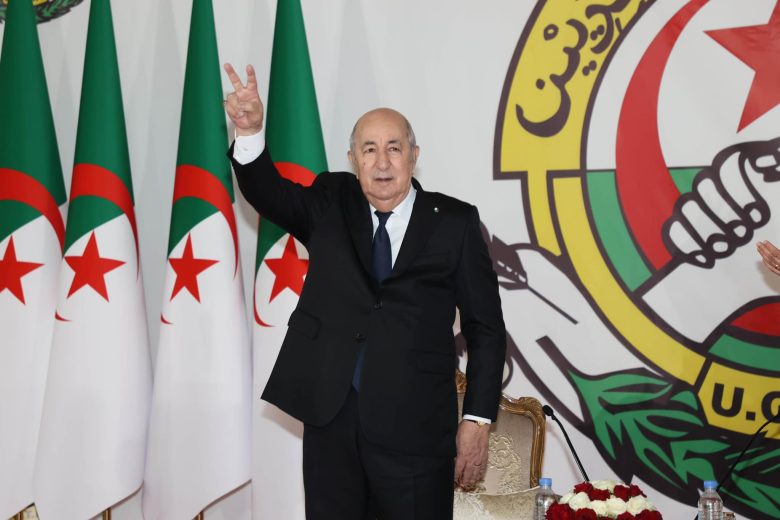
The observance of International Workers’ Day once again highlighted the Algerian state’s enduring social commitment, a cornerstone since independence and the restoration of sovereignty. Central to its agenda—now firmly entrenched—are comprehensive social protections for workers across all facets, coupled with boosts to their purchasing power. This includes sweeping reforms to wage scales and compensation frameworks, uplifts in pensions and benefits, and reductions in tax burdens.
These initiatives aim to deepen social equity, impacting virtually every segment of society. Substantial advances and key gains have earned praise from major global economic bodies, underscoring Algeria’s dedication to upholding workers’ dignity, safeguarding their rights, and fostering a higher quality of life for all citizens. The workforce and society at large are already feeling the benefits in living standards, positioning Algeria among nations offering top-tier social safety nets and protections.
President Abdelmadjid Tebboune emphatically reaffirmed the continuation of subsidies and social transfers—totaling over $46 billion in 2026—in his message to workers on International Workers’ Day. This reaffirms pledges made to Algerians since his inaugural term in 2020. “I assure you that the state will continue bearing the burden of social transfers and supporting essential consumer goods,” he stated.
In his address, the head of state recalled inheriting, upon taking office in 2019, “an economy on the brink of collapse, a volatile social climate, eroded public trust, and weakened state authority across the board.” Tebboune highlighted his initial social measures launched in 2022 as part of broader steps to “elevate the circumstances of broad swaths of society.”
He detailed a range of actions, including unemployment benefits, homemaker allowances, support for people with special needs, student grants, extended maternity leave, hikes in the national minimum wage, automatic increases to the baseline retirement pension, and tax exemptions for low earners.
To safeguard the state’s social fabric and these hard-won gains, Tebboune urged the government to exercise “vigilance, resolve, and deploy legal and regulatory tools against profiteering, unwarranted price swings, and engineered shortages that burden households.”
Paying glowing tribute to female and male workers alike, the president noted in his message that “workers in Algeria are marking their global holiday, and our nation has achieved major milestones in building an emerging economy—thanks to their dedication and toil. We’ve cultivated an institutional environment where workers drive economic momentum, fueled by investments in human capital and homegrown expertise charting our new path forward.”
Tebboune praised Algerian workers for delivering “major, foundational projects and programs across critical sectors—energy, mining, water, agriculture, nascent industries, and entrepreneurship—with impressive efficiency.” He spotlighted landmark achievements like the western rail mining line, the integrated phosphate complex, the zinc and lead initiative at Oued Amizour, expanded rail networks, and seawater desalination plants. For him, these ventures “propel Algeria into the arena of ambitious challenges, where our professionals and laborers prove their prowess at every turn, raising the bar ever higher.”
Closing his message, Tebboune renewed his admiration for workers: “I hold dear—with pride—their struggles and sacrifices, alongside those of union leaders, from pioneering veterans led by martyr Aïssat Idir to those who wore Algeria like a badge of honor, confronting barbaric terrorism in blood-soaked times, including martyr of national duty Abdelhak Benhamouda.”
Stressing “the state’s unwavering watchfulness to protect the rights of women workers, men workers, and retirees while preserving their dignity,” the president reiterated the government’s vow to “safeguard the Algerian family’s peace, guiding its children toward sustainable development in