

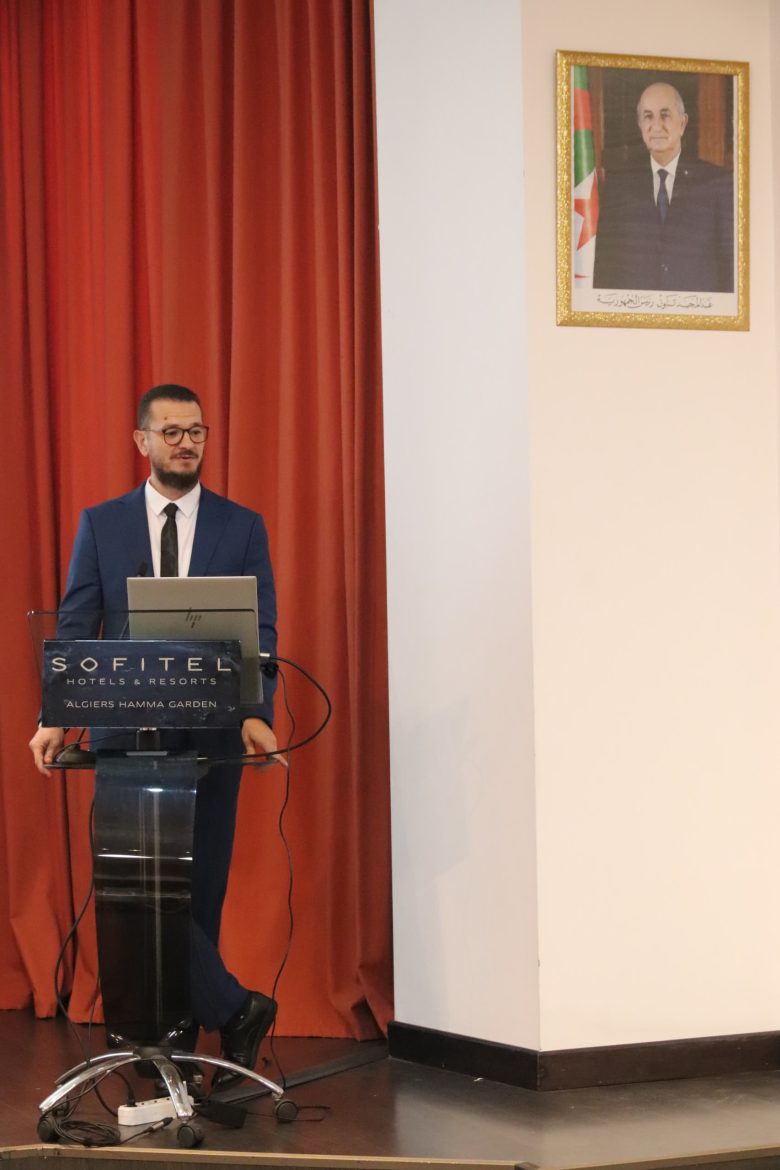
Long dismissed as a rare condition, hemophilia continues to receive inadequate attention in Algeria. Prof. Mustapha Chelghoum, a medical faculty researcher and instructor in plant biology, argues it’s time to shift perspectives: better care now prevents severe fallout later. He calls for a comprehensive national plan to elevate this bleeding disorder to a public health priority.
Le Jeune Indépendant: You advocate for a national hemophilia plan, modeled on the cancer plan. Why is it essential now?
Prof. Mustapha Chelghoum: It’s about equity and public health consistency. Cancer gets dedicated funding and facilities, while hemophilia—despite its massive long-term costs—lingers in the shadows. We can’t handle it marginally anymore. Transparency in health technology assessments and a nationwide strategy are vital to ensure care access for all. The goal is to move hemophilia beyond “statistical rarity” into real policy focus.
Hemophilia treatment is often seen as a financial strain on the state. How do you plan to reframe this view?
We must overhaul the mindset: treatment isn’t merely a budget line but an investment in human potential. Poorly managed patients impose far higher societal costs through disability, major surgeries, and lost productivity. Educating policymakers is key, as therapeutic innovations cut productivity losses. Investing in top-tier care today lightens tomorrow’s economic load.
What stark figures highlight the heavy social toll on Algerian patients?
The data is alarming, especially with inhibitors—antibodies that drastically complicate care. Children miss up to 40 school days yearly. In adulthood, career damage is severe: 80% say the disease hampers their work life, and 22% report job loss. We’re seeing shattered lives and derailed educations. This is just the tip of the iceberg; the real price is social exclusion.
Beyond the patient, what daily burden does the disease place on the “hemophilia family” and loved ones?
In Algeria, lacking professional caregivers shifts an exhausting emotional and financial load onto families, sometimes destabilizing marriages. Providing drugs isn’t enough—health encompasses psychological and social well-being. Innovation should extend beyond pills to ensure dignified lives for patients and genuine support for their circles.