

The smooth expansion from 58 to 69 provinces hinges largely on meticulous planning for the 2026 elections, starting with the July 2 legislative vote, alongside the interim rollout of the new territorial map approved in the Official Gazette on April 4. This was outlined this Wednesday by Mohamed Ferrari, who oversees the new provinces file at the Interior Ministry’s office.
Ferrari elaborated on the measures in place to enable the new provinces to handle their administrative duties effectively, including smooth participation in the upcoming polls during the transition period. Per the Official Gazette publication, this interim phase runs through December 31, 2026, featuring a phased handover of responsibilities from parent provinces to the newcomers. The new provinces are set to fully assume their roles from January 1, 2027.
“This transition support focuses chiefly on administrative, logistical, financial, and operational elements tied to both the elections and the day-to-day operations of these new local authorities,” he stated on Algerian Radio, noting that the restructuring impacts over 2.5 million residents across 40 districts and 108 municipalities.
He stressed that the transition phase will not disrupt the upcoming electoral calendar, guaranteeing full logistical readiness for the new provinces. “The success of this territorial overhaul depends on airtight election management,” Ferrari asserted. Preparations, he added, are already underway for the National People’s Assembly (APN) legislative elections and the 2026 local polls (municipal and provincial assemblies, APC and APW), involving Interior Ministry services and relevant local bodies.
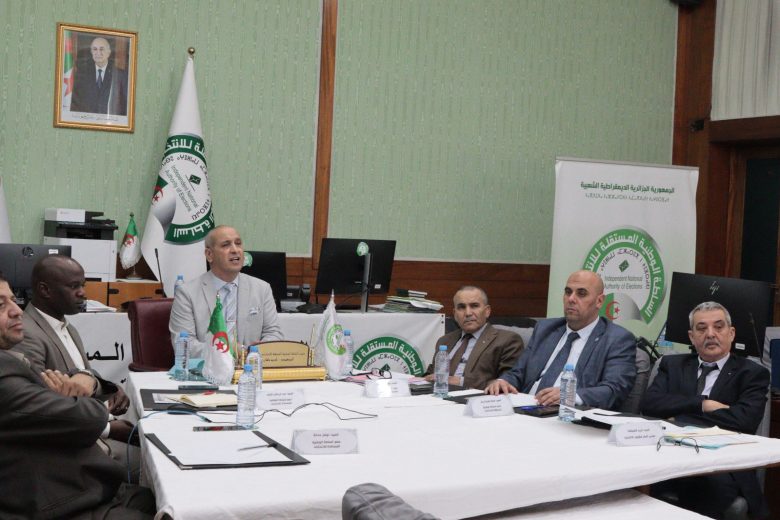
Ferrari also revealed that the new provinces are outfitting premises for local offices of the National Independent Election Authority (ANIE). He highlighted “top-tier readiness” for polling stations and voting bureaus at schools, complete with essential IT equipment to ensure seamless voting. Transportation and catering provisions are likewise in place for election staff.
For the forthcoming local elections, he noted they will follow the same phased preparation approach. Ahead of official date announcements, the new provinces are already advancing steps to secure optimal conditions.
Beyond elections, Ferrari emphasized that the territorial revamp aims to spur local growth, narrow regional gaps, and bring government closer to citizens. “The Interior Ministry’s roadmap spans less than seven months,” he said. From January 1, 2027, the new provinces will operate independently, with their own budgets, local directorates, and full authority, he added. On this note, Ferrari announced that “a decree is being drafted to regulate the transfer of assets and liabilities, plus the allocation of tax revenues.”
He detailed the resources backing this shift, including a 22 billion dinar allocation for local development and community projects, plus recruitment for 1,800 budgeted positions to strengthen administrative staffing.
The transition relies on multisector coordination via a commission uniting all ministries, with each sector pitching in—especially through staff redeployments and extra hires—to support the new provinces’ setup. Ultimately, Ferrari underscored digitization as a cornerstone of the reform, featuring cutting-edge information systems and paperless processes to advance digital public services.