

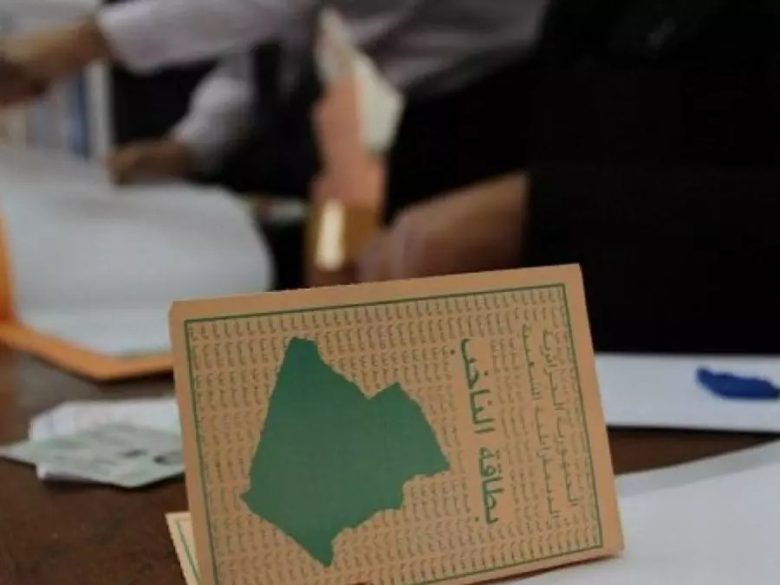
Following an intense electoral campaign, Algerians are heading to the polls this Wednesday to choose their members of parliament. Marked by the return of previously boycotting political factions, the critical challenge of voter turnout, and a strict crackdown on illicit campaign financing by the election authority, this vote serves as a major political barometer ahead of the regional elections scheduled for this coming autumn.
Contenders for parliamentary seats are finally facing their political destiny. They now await the definitive verdict of the ballot box and the decisions of a voting base that has become exceptionally difficult to predict, primarily due to a chronic lack of dependable opinion polling to map out emerging trends.
For the participating political organizations, the stakes of this election reach far beyond the walls of the Zighoud Youcef legislative palace. While the immediate goal is to win the maximum number of seats in the National Peoples Assembly to secure vital legislative leverage, the broader strategy is focused on long-term positioning. Todays outcomes will serve as a launchpad and indicator for the local and municipal elections arriving later this autumn.
Although political leadership circles generally agree that the structural balance of power will not be entirely upended, the final tallies will offer crucial indicators. This election is uniquely characterized by the reintegration into the democratic arena of several political parties that chose to abstain from prior electoral cycles.
Beyond the rivalries dividing individual candidates, both domestic and global observers are closely monitoring a vital metric: voter turnout.
Over the years, electoral absenteeism in legislative contests has evolved into a persistent sociological concern and a complex political issue. Despite repeated assurances of transparency and logistical arrangements provided by state authorities, the disconnect between citizens and the ballot box remains difficult to bridge. This skepticism was heavily fueled in the past by prominent corruption scandals involving the illicit purchase of parliamentary quotas and the manipulation of candidate rankings within political structures. The principal challenge today is not just electing representatives, but restoring public faith in the democratic process.
The Election Authority on the Frontline to Ensure Integrity
In response to these structural issues, the National Independent Electoral Authority (ANIE) states that it has deployed its full logistical, administrative, and personnel capabilities to ensure a smooth voting process within Algeria and across expatriate voting centers worldwide. Demonstrating this operational flexibility, polling hours may be extended on the day itself, keeping stations active until 8 PM if voter volume demands it.
According to ANIEs interim chairman, Karim Khelfane, the organization is fully prepared to execute this major logistical undertaking. He noted that provisional tallies will be officially declared within 72 hours of receiving the final field reports, before the complete documentation is forwarded to the Constitutional Court, which holds exclusive jurisdiction to announce the definitive results.
Khelfane reaffirmed the authority’s zero-tolerance stance regarding the infiltration of illicit funds into campaign financing. While describing the overall campaign period as peaceful, ANIE intervened decisively in rare instances involving divisive rhetoric. The institution reiterated its absolute prohibition on hate speech, discriminatory rhetoric, or attacks on national principles, initiating legal proceedings when required. A final directive was also delivered to polling station coordinators, demanding absolute neutrality throughout the process.
To evaluate the political landscape of this vote, the demographic data provided by ANIE proves highly revealing. Following the comprehensive update of voter registries, the total electorate stands at 24,727,041 registered individuals. The vast majority consists of 23,872,756 voters living domestically, supplemented by a significant diaspora of 854,285 registered voters abroad. Regarding gender distribution, male voters comprise the majority with 13,255,949 registrants, compared to a female electorate totaling 11,471,091 potential votes.
Crucially, these statistics highlight two vital driving forces for the political future of the country. First, the youth population represents nearly a third of the total electorate, with over 7 million voters aged between 18 and 40. Second, there is an increasing presence of women in the parliamentary race, highlighted by more than 2,000 female candidates seeking public office today. The framework is established, polling stations are active, and the final decision rests entirely in the hands of the Algerian people.