

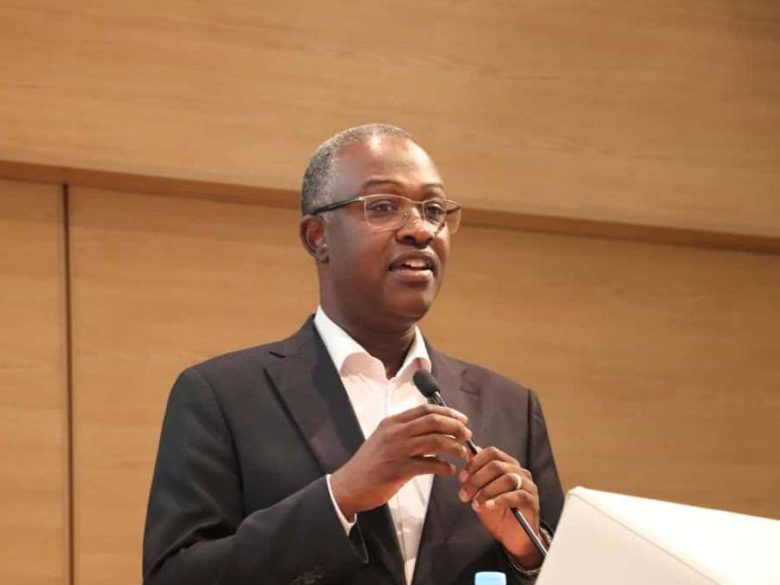
In a global landscape undergoing profound shifts, youth are emerging as pivotal players in reshaping stability and security dynamics across the Arab world. This was the assertion made this Saturday by Mustapha Hidaoui, Minister of Youth and head of the Supreme Youth Council, at the launch of the Arab Youth, Peace, and Security Forum in Algiers. The event, hosted by his ministry in partnership with the United Nations Development Programme in Algeria (UNDP) and in coordination with the Arab League, underscores a growing collective awareness.
Right from the start of his address, the minister framed the gathering within its true context, stressing that “hosting this forum amid such a fragile international and regional environment is far more than a routine step in Arab collaboration.” Instead, he described it as “a clear sign of our shared realization that our region’s future is being forged right now.”
Amid a world of accelerating change, where crises proliferate and grow more intricate, Hidaoui noted that “peace and security issues extend beyond outdated notions,” now encompassing “digital, economic, social, and cultural dimensions.”
At the heart of these upheavals, he spotlighted youth as indispensable drivers, insisting they are “not sidelined in this shift but right at its core.” He went further, portraying young people as “a dynamic source of ideas and influence, and a vital ally in fostering a peace-oriented mindset while bolstering security.”
With this in mind, he argued that the forum stems from “a firm belief that Arab youth are essential to peace-building,” drawing on “their innovative skills and creative potential.”
Hidaoui emphasized that Algeria, under President Abdelmadjid Tebboune’s leadership, has positioned youth empowerment as “a cornerstone of its national strategy”—not merely “a societal choice,” but “a sovereign imperative and a smart investment in state stability and its long-term prospects.” This commitment manifests through “a comprehensive institutional framework,” where the Supreme Youth Council “plays a key role in engaging young people in crafting and assessing public policies.” Meanwhile, the Youth Ministry advances this agenda via initiatives to empower youth, build their skills, and expand economic and social opportunities.
On the regional front, the minister called for stronger Arab collaboration, particularly via the Arab Strategy for Youth, Peace, and Security 2023-2028, unveiled under the patronage of Jordan’s Crown Prince Hussein bin Abdullah II. Yet, he cautioned that “the real test lies not in crafting strategies, but in putting them into practice,” urging a shift “from mere commitment to decisive action, from coordination to true integration, and from involvement to genuine youth empowerment.”
Strategic Bet on Youth Leadership
In a standout segment of his speech, the minister spoke directly to the young attendees, declaring, “We are convinced that you are not just policy recipients, but capable agents who can genuinely shape peace-building.” He continued: “What we seek from you today is not mere attendance, but leadership… not just engagement, but bold initiatives… and not simply presence, but real influence.”
Taking the floor next, Tunisia’s Minister of Youth and Sports, Sadok Mourali, hailed the forum’s strategic value, saying it “signals heightened recognition of youth’s role in forging stable, secure societies.” He added that “beyond being tomorrow’s foundation, young people are full-fledged shapers of today.” Mourali also addressed the formidable hurdles facing Arab youth, including “threats from extremism, violence, and ongoing conflicts.” These, he suggested, also offer “chances to rethink and devise fresh strategies,” rooted in active youth participation. He advocated a holistic approach built on pillars like “instilling a culture of dialogue, tolerance, and mutual acceptance,” alongside economic and social empowerment.
From Yemen, Minister of Youth and Sports Naïf Al-Bakri joined via videoconference, stressing the pressing need for peace in a conflict-torn region: “Wars are escalating across our area. Peace has become an urgent imperative for our communities and our nation.” He urged youth to step up in national and global forums, highlighting their potential to generate “practical visions, ideas, and solutions” for regional steadiness.
Key discussion themes included harnessing modern technologies, especially artificial intelligence, to combat violence and extremism. Participants stressed responsible deployment of these tools to nurture a peace culture. The two-day forum is set to wrap up with actionable recommendations to amplify youth’s role in conflict prevention, peace-building, and sustainable development.