

On the occasion of the 2025 World Diabetes Day, held this year under the slogan “Diabetes and Well-being,” the Ministry of Health unveiled last Thursday the updated version of the National Guide to Good Practices for Diabetes Management, along with the launch of two mobile clinics dedicated to prevention and screening.
In this regard, the Minister of Health, Mohamed Seddik Aït Messaoudène, affirmed in a message read on his behalf by the ministry’s Secretary-General, Mohamed Talhi, during the official ceremony in Algiers, the importance of strengthening prevention, emphasizing that diabetes is a “chronic and disabling disease” that deeply affects families and communities.
The minister recalled that diabetes is among the most widespread chronic diseases worldwide, affecting 589 million people, or 11.1% of the global population. Projections indicate a worrying increase, with 853 million patients expected by 2050. Algeria is not spared; the prevalence reaches 14.4% among adults and 32% among people over 70 years old, which corresponds to nearly 3.8 million patients. These figures, the minister stressed, place health systems “facing major challenges that require collective mobilization and sustainable strategies.”
He took the opportunity to salute the ongoing efforts of healthcare professionals engaged in awareness campaigns, therapeutic education, and care provision. He also emphasized that active patient participation in managing their disease remains an essential condition to improve quality of life and limit serious complications. The minister outlined several priorities, chiefly strengthening awareness of the critical role lifestyle plays in health, particularly in diabetes prevention.
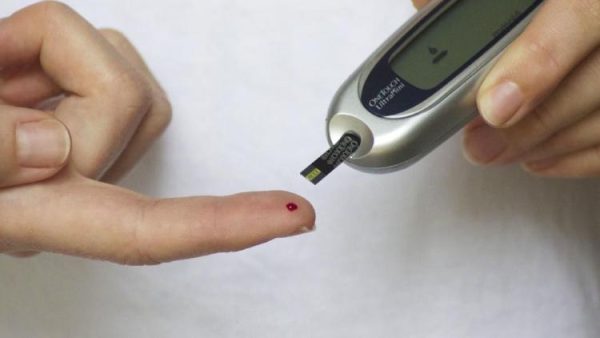
He also called for encouraging the adoption of healthier eating behaviors, considered major levers to reduce risk factors. He insisted on the importance of regular blood glucose monitoring and the need for patients to promptly consult their doctor in case of imbalance to implement appropriate corrective measures.
The ceremony was also marked by the presentation of the updated National Guide to Good Practices regarding diabetes. This revised document serves as a reference tool for patients and healthcare professionals. It details the understanding of the disease, therapeutic options, complications, self-monitoring rules, and the principles of therapeutic education aimed at empowering patients in the daily management of their health.
In the same spirit, the ministry announced the deployment of two mobile clinics named “Road to Prevention” and “Transforming Diabetes.” These units will travel through several wilayas from November 15 to 19, with the mission to intensify awareness-raising, strengthen early screening, train general practitioners in diabetes management and its complications, and promote healthy lifestyles among both diabetic children and adults.
In conclusion, the minister reiterated that changing lifestyle habits remains a collective imperative if the incidence of diabetes is to be reduced and its societal impact limited. He called for enhancing the implementation of innovative and coordinated strategies to slow the progression of this chronic disease and sustainably improve public health.
The Minister of Health, Aït Messaoudène, also announced the revision of the 2014 ministerial decree regarding on-call duty organization in pharmacies. The objective is to ensure optimal coverage and continuity of pharmaceutical services during nights and holidays, through an executive decree regulating the conditions of practice for pharmacists.