

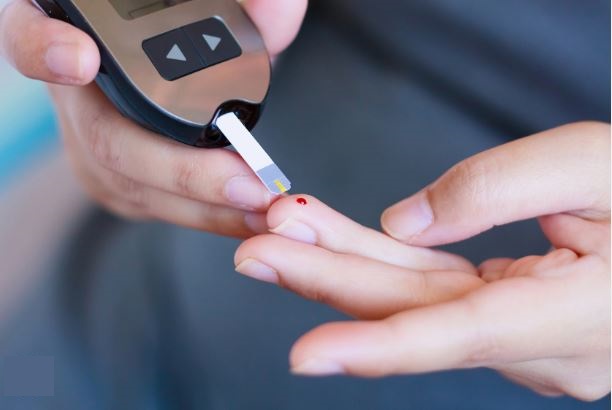
Affecting nearly 16% of adults in Algeria, diabetes is no longer the inevitable fate it was once feared to be. Long perceived as a severe illness tied to serious complications, this chronic disease has spread widely, driven by social shifts, urbanization and changing eating habits. Yet, advances in treatment, the rise of local insulin production, and better patient education are opening new horizons. In an interview with Le Jeune Indépendant, Dr Mohamed Laifa, an endocrinologist and president of the Algerian Society of Medical Research (SARM), painted a clear picture of the current landscape, highlighting the progress that now allows for more effective diabetes care in Algeria.
For decades, diabetes provoked genuine fear in the collective imagination. The disease was often viewed as a doom that inexorably led to gradual health decline. According to Dr Laifa, this fear stemmed from the visible severity of its complications. “In the past, diabetes was terrifying because it was synonymous with physical deterioration and almost unavoidable complications,” he explained.
Among the most striking images was gangrene, which could lead to limb amputations and loss of independence for people who were previously active. Diabetic eye complications, such as diabetic retinopathy leading to blindness, or diabetic nephropathy culminating in kidney failure and dialysis, further reinforced the perception of diabetes as a formidable disease. “In the collective imagination, diabetes was seen as a silent illness relentlessly progressing towards a poor outcome,” he added.
Today, he says, the situation has profoundly changed thanks to therapeutic advances and technological innovations that have transformed diabetes management and its complications. “The transformation is real. Even if the disease continues to spread, there is now a therapeutic response at every stage of its progression,” emphasized the SARM president.
In Algeria, a major breakthrough concerns local insulin production. The partnership between Novo Nordisk and the state-owned pharmaceutical group Saidal has enabled the manufacture of insulin injection pens nationally. This development has significantly strengthened the country’s supply security. “The recurrent anxiety about insulin availability is now a thing of the past,” affirmed Dr Laifa, adding that this domestic production represents a true guarantee of health sovereignty.
Care is no longer limited to medications. Algeria is also developing local production of glucose test strips and modern sensors that allow continuous glucose monitoring without finger pricks. “Although reimbursement by social security funds like CNAS and CASNOS remains limited, these technologies are now available and mark major progress for patients,” he celebrated.
Furthermore, a fundamental change is occurring in the relationship between patients and their disease. “Therapeutic education has become an essential weapon in the fight against diabetes,” explained Dr Laifa. Patients are better informed thanks to patient associations and medical information shared on social media by healthcare professionals. “This evolution helps transform diabetes perception in society. It’s no longer seen as a shameful fate or hidden curse, but as a public health issue that can be mastered through knowledge, prevention, and available treatments,” he said.
Despite these advances, receiving a diagnosis remains a delicate moment. “Learning you have a chronic incurable disease like diabetes is often a shock,” acknowledged Dr Laifa. For many, the word “diabetes” evokes not just a medical reality but the fear of a radically different life. In this context, the doctor’s role is crucial. Diagnosis disclosure must never be rushed; it requires time, listening, and clear explanations. “Patients always remember vividly the words spoken by their doctor the day they were diagnosed,” he recalled.
For the specialist, physicians must go beyond prescribing; they must guide patients in accepting their condition and help them establish a new life balance. Replacing “diet” with “balanced nutrition” often helps ease the situation and restores patients’ freedom in managing their daily lives.
Can One Live Normally with Diabetes?
According to Dr Laifa, medical progress now allows diabetic patients to live almost normally. “A diabetic can lead an active and fulfilling life, comparable to that of a non-diabetic,” he declared. He emphasized that treatments have advanced significantly, with more precise insulins and user-friendly injection pens, plus insulin pumps and continuous glucose sensors.
These technologies are available in Algeria, though reimbursement by CNAS and CASNOS remains limited. “Discussions are underway for their gradual integration into the care system, especially for certain patient groups,” he noted. Oral and injectable treatments for type 2 diabetes are also more effective and better tolerated, stabilizing blood sugar and reducing complications. As a result, life expectancy for diabetics has improved markedly. “Twenty years ago, diabetics lived about eight years less than the general population. Today, with good control, this gap tends to disappear,” he said.
Diabetes balance also depends on lifestyle, but it’s not about endless food bans. Dr Laifa views nutrition as balance: fibers slow sugar absorption, proteins stabilize blood sugar, and healthy fats maintain metabolic balance. Carbohydrates aren’t enemies; they must be chosen wisely and integrated appropriately. “Nothing is forbidden, everything is regulated,” he summarized.
Physical activity is also crucial. Regular walking, muscle engagement, and ongoing bodily activity improve insulin sensitivity and stabilize blood sugar. Sleep and stress management matter too; stress can disrupt hormone regulation and spike cortisol, affecting glucose levels. For the SARM president, living with diabetes means consistency, not perfection. “Glycemic balance is a flexible, living process focused on continuous attention to lifestyle, not austerity or leniency,” he said. “Everyone should eat like a diabetic; the diabetic becomes a model of discipline and nutritional balance,” concluded Dr Laifa.