

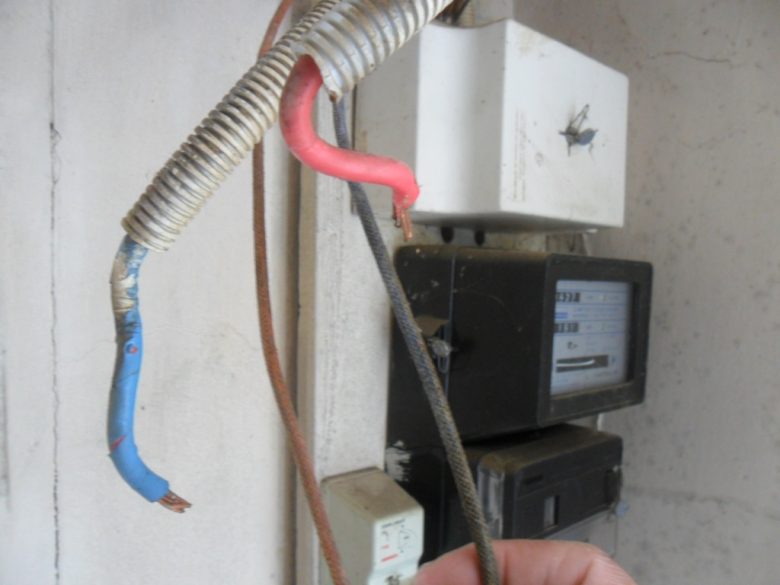
The Directorate of Electricity and Gas Distribution (DDEG) of the wilaya of Tizi Ouzou once again condemns the incessant attacks on its electrical and gas infrastructures, a phenomenon that is increasingly widespread, causing heavy losses for Sonelgaz, which must each time rehabilitate the damaged infrastructures at its own expense.
The DDEG’s services have recorded more than 1,500 attacks of various kinds against its electrical and gas infrastructures. Specifically, there have been 967 attacks on electrical facilities and 607 on gas facilities, according to a statement from the public company’s communications unit.
These illegal and highly reprehensible acts target, among others, electrical substations, medium-voltage power lines, low-voltage power lines, and natural gas pipelines. The statement notes: “These attacks take various forms, such as construction beneath or near electrical networks without respecting regulatory distances, enclosure of networks by boundary walls, construction on or near gas pipelines, etc., not to mention acts of vandalism such as copper wire theft, theft of gas risers in buildings, theft of circuit breakers, locks from cabin substations, and others.”
This untenable situation has led the DDEG to file 909 complaints related to electrical facilities and 207 complaints concerning gas facilities with judicial authorities. To inform the public, the DDEG reminds that “energy infrastructures, recognized as public utility facilities, are protected by Executive Decree No. 10-95 of 17/03/2010, and the regulatory distances regarding 30kV electrical networks are 3 meters in urban areas and 15 meters in rural areas, and 1 meter from low-voltage networks in both urban and rural areas.”
The same source also notes that “the consequences of this scourge, which constitute a major constraint for the DDEG’s public service mission, are sometimes dramatic, as several accidents causing the death of multiple people by electrocution have been recorded.” It continues: “This shows that non-compliance with regulatory distances from electrical and gas facilities primarily poses a safety problem for citizens.”
The second consequence of this phenomenon, it adds, relates to the difficulty of operating energy networks, which become inaccessible during emergency interventions to repair faults and restore supply, thereby worsening response times. The DDEG reiterates its appeal to all citizens of the wilaya of Tizi Ouzou to show greater respect for the maintenance standards of energy facilities so that they remain in good working condition at all times.