

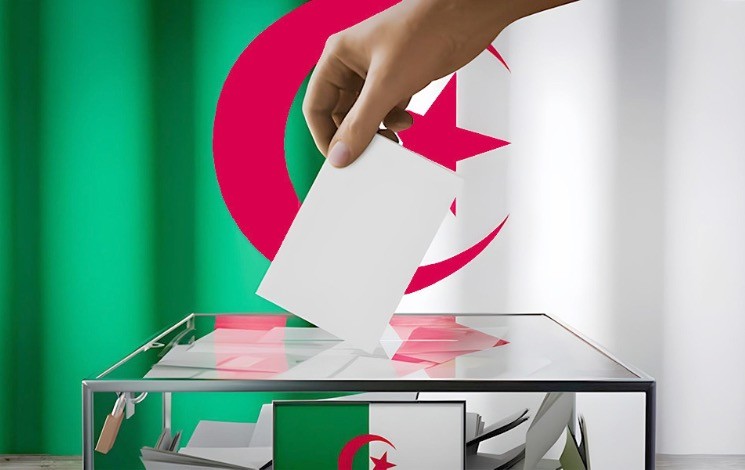
The National Independent Authority for Elections (ANIE) is rigorously monitoring the electoral silence, which is set to last three days. In this regard, it made a point of reminding candidates in the November 28 ballot, as well as the various stakeholders involved in the electoral process, of the obligation to strictly abide by the legal provisions governing the silence period.
In a statement released on Wednesday, ANIE highlighted the provisions of Article 73 of the organic law on the electoral system, which “sets the deadlines for the electoral campaign and stipulates its conclusion three days prior to the polling date,” while also recalling those of Article 74, which expressly states that “no one may, regardless of the medium used and in whatever form, conduct an electoral campaign outside the period established in the aforementioned Article 73.”
Along the same lines, the electoral authority underscored the provisions of Article 81 of the organic law on the electoral system, which “prohibits the publication and broadcast of opinion polls and surveys on voting intentions within the seventy-two hours preceding the polling date across the national territory.”
Consequently, the body urged all parties to “refrain from any form of electoral propaganda and promotion and to comply with the regulations” currently in force. It warned that any breach of the aforementioned Article 74 exposes the candidate or political party involved to the penalties laid out in Article 303 of the same organic law.
Article 290 mandates a fine ranging from 20,000 to 50,000 dinars for anyone putting up campaign posters outside designated spaces or beyond the legal campaigning window. For its part, Article 303 of the same statute penalizes any candidate or political party violating the rules governing electoral silence with a fine between 200,000 and 400,000 dinars.
Notably, punitive measures grow even stricter for offenses committed on election day itself. The elections authority affirmed that respecting the electoral silence period stands, de facto, as “a fundamental guarantee to safeguard voter freedom and shield their will against any form of influence, thereby helping to strengthen the integrity and transparency of the electoral process.”
Under the organic law on the electoral system, all national media outlets—print, broadcast, and online press—are legally bound by a strict duty of neutrality and impartiality, which is particularly reinforced during the electoral silence. Social media platforms are, in this respect, subject to the exact same prohibitions as traditional media.