

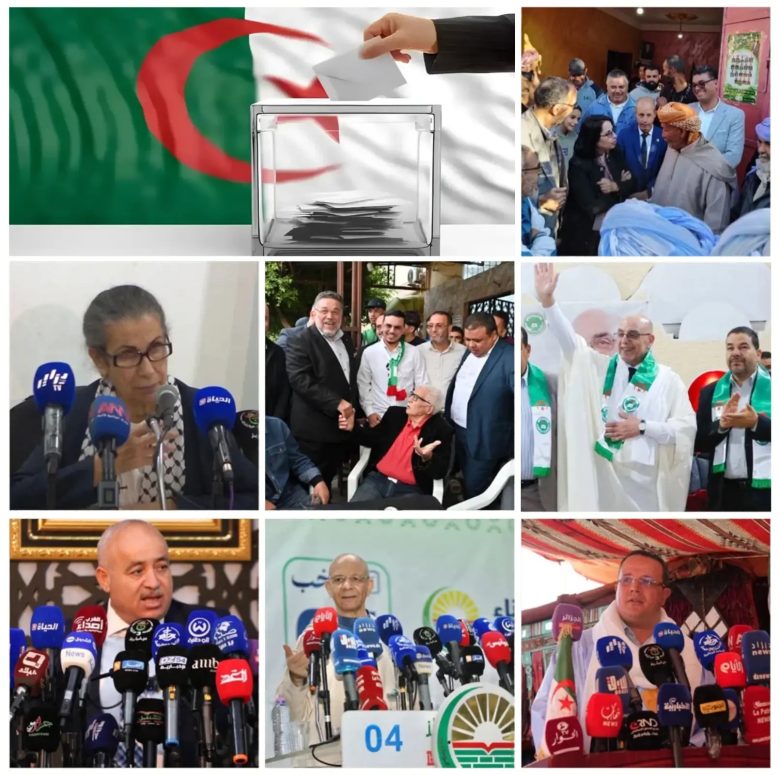
On the third day of the electoral campaign heading into the upcoming November 28 local elections, political parties and their candidates pursued their ground activities through town halls, rallies, and neighborhood gatherings. The immediate goal is sensitizing voters to the significance of active participation in these elections. The battle to mobilize the electorate lies at the core of this electoral and political dynamic, particularly as the persistent fear of voter apathy weighs heavily on parties after failing for decades to stem this “electoral plague.”
For party leadership, occupying field operations proves essential, driving their efforts to present programs and visions regarding municipal management and addressing citizens’ daily priorities. Virtually all party leaders emphasized the necessity of involving citizens in local decision-making across their municipalities or regions, stressing the importance of active listening and constructive dialogue.
Deploying roughly a dozen party chiefs from the campaign’s inception demonstrates their commitment to ground operations, mobilizing militant bases, and inspiring popular enthusiasm for the vote, hoping to persuade voters, earn trust, and encourage informed choices among proposed candidate profiles.
Noticeably, this campaign features the prominent rise of young candidates, academics, and mid-level executives propelled by fresh political involvement and opportunities afforded by electoral law provisions, which allow them to lead candidate lists.
Accordingly, El-Karama party president Mohamed Daoui urged citizens from Biskra province to select the most qualified and capable candidates to fulfill their aspirations. Mr. Daoui explained during a rally hosted in the Zeribet El Oued municipality that citizens are called to participate in force during this electoral milestone, selecting leaders equipped to address daily concerns and achieve local development targets across all fronts.
In the same context, Mr. Daoui affirmed that El-Karama candidates will rely—upon securing council seats—on an approach rooted in listening to citizen concerns, formulating tailored solutions, and involving residents in public affairs management, while prioritizing local economic growth, particularly by supporting industrial and agricultural investments characteristic of Biskra province.
The party president also called upon youth specifically to engage actively in this appointment by electing lists capable of sound management and responsive governance.
For his part, Movement of Society for Peace (MSP) president Abdelali Hassani Cherif advocated Saturday in Touggourt for expanding local elected officials’ roles in public administration to allow them to contribute fully to strengthening regional development.
During a gathering, Mr. Hassani Cherif stressed the urgency of widening the powers of Communal People’s Assemblies (APC) and Wilaya People’s Assemblies (APW) to meet local development demands. Discussing his party’s platform, the MSP leader outlined regional development challenges nationwide, emphasizing the need to elect leaders capable of driving local growth by leveraging modern management tools, including digitization, while combating bureaucracy in all formats.
Mr. Hassani Cherif also highlighted the importance of voting in this electoral milestone, framing it as a new phase within reform processes and safeguarding national gains.
Meanwhile, Sawt Echaab party president Lamine Osmani called for constructing modern municipalities backed by digital systems, enabling citizens to participate more effectively in local decision-making. During a neighborhood outreach action organized in Les Eucalyptus municipality, Mr. Osmani noted that building a strong state with effective institutions starts at the municipal level—the closest tier to the citizen—requiring a radical transformation of mindsets and political practices through technological adoption.
He further stressed the importance of involving citizens in local management while relying on national expertise and qualified figures capable of fulfilling duties and serving the public interest, noting that building a modern municipality demands operational and scientific programs.