

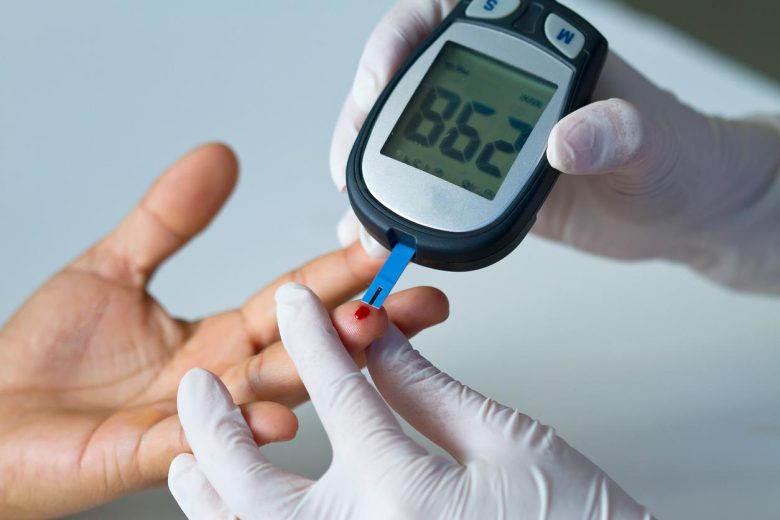
Ocular complications of diabetes, age-related macular degeneration (AMD), loss of independence, and medical follow-up constraints—preserving sight constitutes a major public health challenge. Facing the rising human and socio-economic burden of retinal conditions, experts emphasized, Sunday, the urgency of early screening and integrating innovative therapies.
Preventing avoidable blindness requires above all early detection and adapted management of retinal diseases, according to specialists who spoke during a media training organized by Roche laboratories on World Sight Day. In diabetic patients as well as elderly subjects, certain retinal damages can develop silently before triggering a significant drop in vision. This reality underlines the need to strengthen awareness, improve access to eye examinations, and facilitate patient follow-up.
In Algeria, diabetes reaches alarming proportions, with a prevalence rate estimated between 14% and 17.5% of the population. Among these individuals, over 191,000 patients reportedly suffer from diabetic macular edema (DME). Given the scale of these figures, healthcare professionals call for collective awareness.
Prof. Soumeya Fedala, head of endocrinology and metabolic diseases at the Mohammed-Lamine Debaghine University Hospital (Beb El Oued) and president of the Algerian Society of Endocrinology and Metabolism (SAEM), recalls the importance of regular monitoring for diabetic individuals. A patient can retain seemingly normal vision while retinal lesions are already present, hence the necessity not to wait for symptoms to appear before consulting.
Prolonged hyperglycemia weakens, according to the specialist, the blood vessels of the retina and can lead to diabetic retinopathy, sometimes associated with diabetic macular edema, an impairment of the central region of the retina essential for fine vision.
According to Prof. Fedala, one of the greatest management challenges lies in the insidious nature of these pathologies. “DME and AMD can destroy central vision without causing the slightest prior pain,” she affirmed, stressing that annual retina examination via optical coherence tomography (OCT) represents a true emergency to preserve patient sight.
A impact extending far beyond the ocular realm
Beyond physical alterations, the repercussions of these complications on daily life remain considerable. Prof. Mustapha Djabour, head of ophthalmology at the Mohammed-Lamine Debaghine University Hospital and president of the Algerian Society of Ophthalmology (SAO), stresses that vision decline can severely compromise patient autonomy, particularly when still professionally active. “When one cannot see, one can no longer normally accomplish certain daily actions,” the specialist explains in essence. Reading, moving around, working, or managing treatment—notably checking blood glucose and adjusting insulin doses—becomes extremely complex when vision deteriorates.
This loss of independence does not solely concern patients. It also brings consequences for family caregivers, often mobilized to accompany relatives to consultations and assist them in daily activities.
For Prof. Djabour, managing retinal diseases must imperatively integrate these human and social constraints. Preserving sight relies not only on treatment efficacy, but also on the capacity to guarantee regular, accessible follow-up.
On the medico-economic level, Prof. Achouri Mohamed Yacine, head of the pharmacy department at Nefissa Hammoud University Hospital (formerly Parnet), highlights the major financial and structural impact of these pathologies on the community. Vision loss directly destroys active life, generating a 34.5% direct socio-economic impact. Furthermore, it weighs heavily on families and informal caregivers, who absorb 65.5% of the global impact to assist relatives daily and during medical trips. Severe forms of these ocular conditions alone concentrate 73.2% of DALYs (disability-adjusted life years), illustrating the heavy morbidity burden they represent.
Screening right from diabetes diagnosis
Ophthalmological examination thus constitutes an essential element of monitoring diabetic individuals. For type 2 diabetes patients, it must be performed upon disease discovery, whereas for type 1 diabetes, the initial exam timeline depends notably on diagnostic seniority and medical guidelines. When symptoms manifest, they translate, according to the specialist, into blurred vision, dark spots in the visual field, or distortion of straight lines.
He likewise insists on the need to control associated risk factors, notably high blood pressure, obesity, sedentary lifestyles, and lipid imbalances. Maintaining solid glycemic balance, combined with comprehensive diabetes management, helps limit complication risks. Monitoring must not, however, remain restricted to the retina, as diabetes also promotes other ocular conditions, particularly cataracts.
While lasers long held a central position in treating certain retinal lesions, intravitreal injections now represent a major option. Administered directly into the eye, these injections may require repeated sessions, sometimes posing compliance challenges owing to logistical and professional constraints.
This is where accessing longer-lasting innovative therapies makes complete sense. According to analyses presented by Prof. Achouri, introducing durable treatments allows not only maintaining patient autonomy by spacing interventions, but also relieving hospital infrastructure.
Financially, economic projections highlighted by Prof. Achouri show that adopting these high-efficacy innovations would generate up to 6.05 billion dinars in net savings over 5 years for the national healthcare system.