

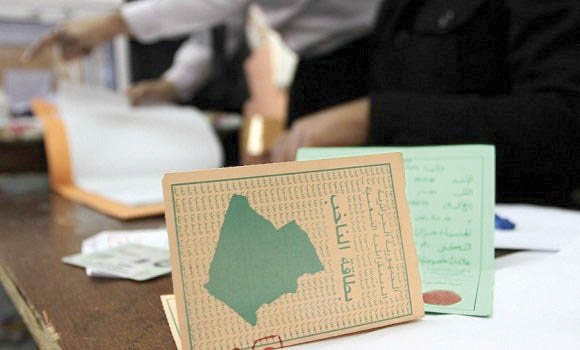
Today marks the official conclusion of the exceptional voter registration update, which commenced on September 6. This revision was instituted in preparation for the upcoming municipal and regional council elections scheduled for November 28.
This phase was conducted in full compliance with Presidential Decree No. 26-284, which officially summoned the electorate for the upcoming ballot.
With the completion of this initial phase, the electoral procedure accelerates as candidates begin submitting their files to the Independent National Electoral Authority for review. This body is responsible for validating all applications according to the laws in effect.
Over recent weeks, prospective candidates have been withdrawing candidacy declaration files and individual signature collection forms required to finalize their participation in the vote.
Regarding this requirement, electoral officials stated that aspiring candidates must present a group deposit statement fulfilling all legal standards at the regional coordinator’s office. This step follows the formal declaration of intent by an authorized representative of one or more political parties, or by members of an independent slate, using the standardized paperwork supplied by the regional coordinator.
Candidates or slates facing rejection reserve the right to file formal legal appeals with competent courts before the official campaign period opens. The campaign runs for three weeks and finishes three days prior to election day.
Concerning municipal and regional slates, submissions must feature more candidates than available seats in the electoral district: seven extra candidates for odd-numbered seat allocations and six for even-numbered ones. To prevent disqualification, slates must include a minimum female quota of one-third (excluding municipalities with populations under 20,000), allocate half the slots to individuals under 40 years of age on voting day, and ensure one-third hold higher education degrees.
Members of municipal and regional assemblies serve five-year terms, elected through an open-list proportional representation voting format with preferential selection and no vote-splitting permitted.
To ensure seamless preparation, electoral authorities expanded field operations by strengthening local structures and deploying coordinators across municipalities and regional hubs. This operational framework guarantees direct oversight throughout the process, spanning the campaign through balloting and vote counting.
Furthermore, the authority established open communication with political parties and key stakeholders. Discussions allowed election officials to evaluate political party feedback and recommendations following controversies during recent parliamentary contests over statutory interpretations. Political groups commended this dialogue, which helped alleviate concerns by emphasizing transparency and fairness throughout the entire process.
This ongoing coordination remained evident during high-level consultative meetings held between the authority head and key government leadership, including the heads of the Constitutional Court and National Assembly.