

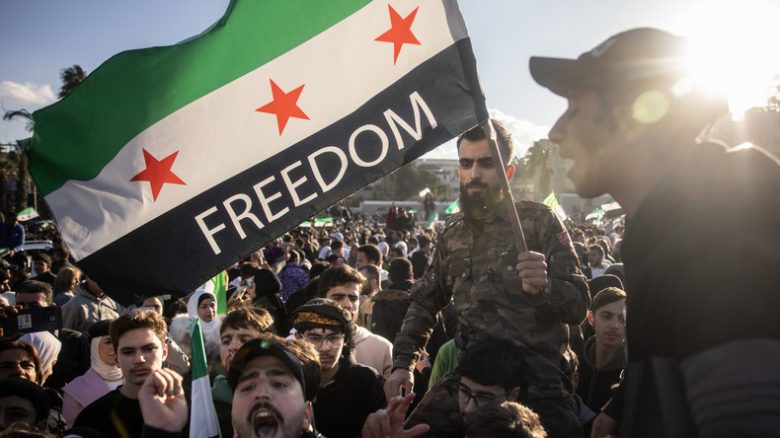
A sharp surge in fuel costs has ignited demonstrations and road blockades across multiple Syrian provinces since Sunday. Damascus cites rising import expenditures alongside maintenance operations at the Baniyas refinery, in a nation where domestic oil extraction meets under a third of national demand. Protests erupted starting Sunday across several Syrian regions following the implementation of a steep increase in fuel tariffs. Rallies and highway barricades were reported in Aleppo, Idlib, Hama, Hasakah, Raqqa, and Deir ez-Zor, featuring burning tires and, across the east, demonstrators obstructing trucks hauling crude petroleum. Sparking this outrage was a sudden price hike mandated by the Ministry of Energy. Diesel climbed from 125 to 175 Syrian pounds per liter—a +40% surge—while 95-octane gasoline jumped from 152 to 195 pounds, roughly a +28% increase. Cooking gas canisters were similarly affected.
Escalating cost of living
The administration justifies these actions by citing higher international procurement costs for refined products and the temporary shutdown of the Baniyas facility, currently undergoing overhaul operations. The underlying issue remains structural: Syria produces roughly 102,000 barrels of crude daily against consumption requirements nearing 325,000 barrels, forcing the country to cover the deficit through external purchasing. Officials anticipate boosting Baniyas capacity from 80,000 to 130,000 barrels daily post-refurbishment. However, for a populace exhausted by fourteen years of conflict, the shock extends far past gas station pumps. Fuel rates directly determine transport tariffs, agricultural production, generator-based power generation, and consequently, everyday grocery prices. In Damascus, selected transit minibuses have already hiked fares by 35 to 70 percent, according to Enab Baladi.
This civil unrest represents one of the initial major socio-economic trials confronting the administration of Ahmed al-Sharaa. Having primarily navigated post-Assad security, institutional, and territorial hurdles until now, the newly established leadership must urgently manage popular anger tied directly to household purchasing power. The key challenge involves restructuring a shattered national economy without shifting the financial burden onto a populace whose earnings remain profoundly depressed.