

The United States and Iran are set to restart negotiations, with a potential compromise regarding the Strait of Hormuz. Diplomatic expectations have driven crude oil prices down by roughly 5%. Despite this opening, friction persists across the strait and in the Red Sea, where Houthi forces maintain their attacks against Saudi Arabia.
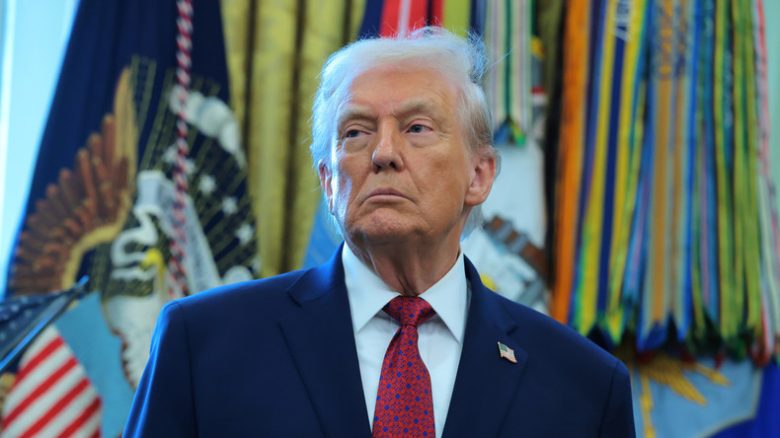
The United States and Iran are scheduled to resume discussions this August 3, Donald Trump announced, claiming he abandoned additional strikes on the Islamic Republic in favor of a diplomatic settlement. The American leader believes progress has been achieved, particularly regarding the strategic issue of the Strait of Hormuz, whose partial closure has disrupted global energy trade since clashes flared again in early July. “We are now speaking with them in the form of a negotiation,” Donald Trump stated aboard Air Force One. Neither Tehran nor regional mediators have confirmed these talks are occurring. However, Iran indicated it is nearing a compromise with Oman concerning new navigation arrangements within the strait. According to Iranian foreign ministry spokesperson Esmail Baghaei, both nations are formulating a maritime route “acceptable to both parties,” balancing sovereignty, security, and freedom of navigation.
Another bluff? The announcement of renewed dialogue immediately reassured financial markets. During the morning of August 3, Brent crude fell by nearly 5%, dropping back to around 84 dollars after surpassing 100 dollars a few days earlier. Despite this easing, the situation remains precarious: the British maritime agency UKMTO once again reported an explosion near a tanker in the Strait of Hormuz.
Since the start of the conflict, ignited on February 28 by an Israeli-American offensive against Iran, Donald Trump has oscillated between military threats and calls for dialogue. According to multiple US media outlets, Washington was still considering strikes against Iranian refineries and energy infrastructure over the weekend. The American president claims he stepped back at the request of several regional players, notably Saudi Arabia, the United Arab Emirates, and Qatar, who remain convinced that a deal is still achievable. Meanwhile, the conflict continues to broaden. Yemeni Houthis, aligned with Tehran, are maintaining their blockade against Saudi ports in the Red Sea and claiming responsibility for several strikes on tankers and oil facilities in the kingdom, posing a fresh hazard to global energy lanes.