

The Houthis are now targeting Saudi oil infrastructure and exports passing through the Red Sea. Attacks on Yanbu threaten one of the primary Saudi alternatives to the Strait of Hormuz. Riyadh faces a dilemma between military restraint and the hazard of a fresh open conflict in Yemen.
While the Strait of Hormuz currently concentrates most of the friction between Iran and the United States, another maritime theater is regaining prominence: Bab el-Mandeb. The Houthis, aligned with Tehran, are once again leveraging their strategic location along this vital global trade passage to intensify pressure on Saudi Arabia. Without attempting, at present, to halt overall maritime traffic, they are directly striking the kingdom’s energy infrastructure and export corridors, rekindling fears of a regional widening of the crisis.
The informal truce active in Yemen since 2022 now appears largely defunct. Friction accelerated following the July 13 strike on Sanaa airport, followed by the Ansar Allah movement’s declaration of a “maritime embargo” targeting Saudi Arabia. The Houthis subsequently claimed attacks on multiple Saudi oil tankers in the Red Sea, triggering retaliatory strikes by Riyadh against rebel positions in Hodeida and on Kamaran Island. Since then, both sides maintain they are merely responding to the other’s escalation.
Saudi Arabia Reevaluates Its Energy Strategy
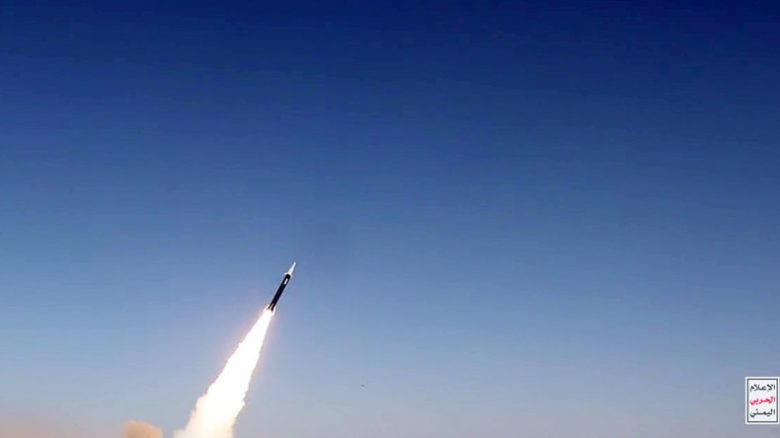
Saudi energy facilities now sit at the forefront of targets. On July 25, the Houthis claimed responsibility for firing ballistic missiles, cruise missiles, and drones at Aramco sites in Jizan and Yanbu. While the Jizan refinery, holding a capacity of roughly 400,000 barrels per day, was struck, Yanbu represents an even more critical strategic asset. As Saudi Arabia’s main oil terminal on the Red Sea, it connects to eastern oil fields via the East-West pipeline, constructed specifically to bypass the Strait of Hormuz. According to data firm Windward, crude loadings at Yanbu have dropped by approximately 40% since July 19.
This offensive unfolds within an increasingly interconnected regional backdrop. Riyadh asserts it also intercepted drones targeting its eastern energy installations and areas surrounding the capital, with several having passed through Iraq. Meanwhile, Donald Trump cautioned that any further Houthi assault on Saudi interests would hold Iran directly accountable and could trigger “major military retribution.”
Confronting this menace, options for Saudi Arabia remain constrained. The kingdom can bolster its air defenses, secure maritime lanes, or scale up strikes against Houthi positions. Yet ten years of warfare in Yemen have demonstrated the difficulty of permanently neutralizing Ansar Allah’s missile and drone capabilities. Above all, a large-scale retaliation risks shattering the final remnants of the truce and plunging the region back into active warfare, at a juncture when Gulf energy security already stands vulnerable.