

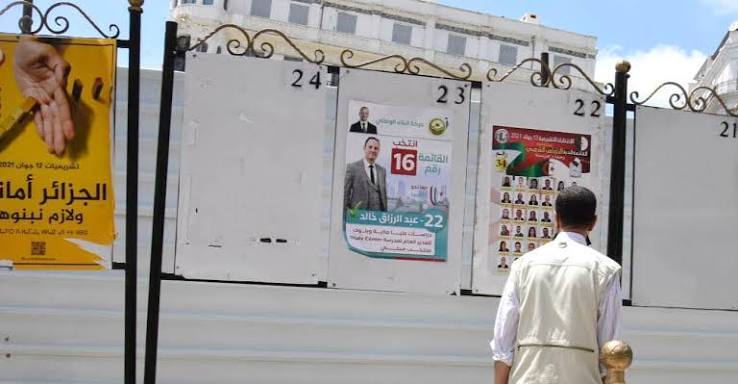
The campaign leading up to the July 2 legislative elections is entering its final phase. Political factions are intensifying their efforts, multiplying grassroots rallies and refining their rhetoric to sway voters. Caught between pledges of reform, safeguarding purchasing power, enhancing governance, and mobilizing a strong voter turnout, each group is striving to make an impact during the closing days of a decisive race before the ballot boxes open.
During a public rally organized on Sunday in the province of Saida, the general secretary of the Workers’ Party (PT), Louisa Hanoune, argued that the global capitalist system lies at the root of numerous international crises, pointing specifically to Palestine, Cuba, and Iran. Consequently, she maintained that the Trotskyist movement campaigns for the autonomy of nations and the protection of their sovereignty worldwide. She indicated that this perspective drove the PT’s involvement in the upcoming legislative elections, which she framed as a vehicle to defend national sovereignty by resisting all forms of foreign interference.
Turning to economic matters, the political leader noted that “Algeria carries virtually no external debt.” However, she explained that the international financial climate, which she described as marked by surging prices of imported goods due to global conflicts, burdens the purchasing power of Algerian households. In this regard, she urged for an increase in salaries and benefits, alongside an intensified battle against unemployment, to solidify the domestic front.
The speaker also asserted that the PT has consistently elevated the demands of retirees to the state’s highest authorities, advocating for better welfare for this demographic. True to form, Louisa Hanoune additionally stressed the imperative of guaranteeing fundamental and democratic freedoms.
Furthermore, she emphasized the political education of the youth, assessing that the electoral campaign has successfully expanded the core membership of her party, which remains “committed to a principled activism.” Finally, she called for “an immediate overhaul” of the new electoral law, noting that its enforcement during this current vote has exposed several “complications.”
At a public gathering held the same day in Tiaret, the Jil Jadid party, spearheaded by Lakhdar Amokrane, stated in a press release that it had engaged with citizens regarding local grievances that it described as “legitimate,” particularly concerning regional development, governance, and the management of public affairs.
“We do not promise miracles, but we commit to working diligently and offering a political vision capable of translating citizen concerns into tangible projects and frameworks, moving away from populist slogans,” the statement highlighted.
According to the same source, Jil Jadid took the opportunity to thank the attendees of the gathering, considering their mobilization as an endorsement of its political agenda aimed at fostering “a new era of political engagement that places the citizen at the heart of decision-making.”