

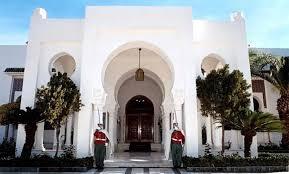
The Presidency of the Republic announced on Thursday the upcoming creation of two strategic structures dedicated to scientific research and the preservation of national heritage. This initiative was welcomed by specialist Samir Belkacemi, who views it as a promising momentum, while urging for stronger human and financial resources to ensure the effectiveness of these new mechanisms.
The two new institutions, placed under its direct authority—namely a High Council of Scientists and Researchers and a National Archaeology Agency—aim, on one hand, to strengthen the integration of national and diaspora scientific expertise, and, on the other hand, to inject fresh momentum into the preservation and appreciation of Algerian historical heritage.
For Samir Belkacemi, a doctor of archaeology and national heritage specialist, this announcement is a step in the right direction. “Even though I do not yet know its exact functioning, I became aware of it through the announcement. It seems to me like a great initiative,” he maintained, immediately highlighting the potential of this new structure.
According to him, Algeria already possesses significant scientific human capital but must especially cross a threshold regarding organization and resources. In this regard, he insisted on the necessity of bolstering financial and logistical resources within the archaeological research sector: “We have the scientific expertise, but we must find the funding; we truly need it. Excavation work, technical labor…”
For the specialist, the goal is to launch a genuine national research and excavation program capable of exploring “still misunderstood eras of human history in the region.” Samir Belkacemi emphasized the need to revalue historical traces linked to the Numidian period, which he believes are often threatened or insufficiently studied.
“We need a major program targeted toward what we do not know about the oldest traces of human beings in the region,” he stated. Furthermore, he noted the historical impact of the French colonial era on the deterioration of certain Numidian remains, though arguing that this particularly vast heritage was not entirely erased.
According to a broad consensus established by historians, archaeologists, and colonial historiography specialists, the colonial administration largely favored the exploration and showcasing of Roman and Byzantine ruins, leaving the Numidian civilization in the shadows, long marginalized in excavation and research policies.
According to UNESCO, numerous Numidian objects, steles, and funeral furniture pieces were looted or transferred to European museums, particularly during eras of urban and military expansion. Moreover, major funerary monuments, such as the Madghacen royal mausoleum, suffered severe degradation tied to development work, a lack of protection, or acts of vandalism, according to the same source.
Among the locations mentioned by the researcher is Siga, situated in the Ain Temouchent province. It is a location he considers central to the ancient history of the nation. In the eyes of the specialist, this archaeological site was the capital of the western Numidian kingdom of the Masaesyli and a stronghold associated with King Syphax during the third century BC. “In Ain Temouchent, Siga must be explored,” he mentioned, highlighting the still largely untapped potential of the national archaeological heritage.