

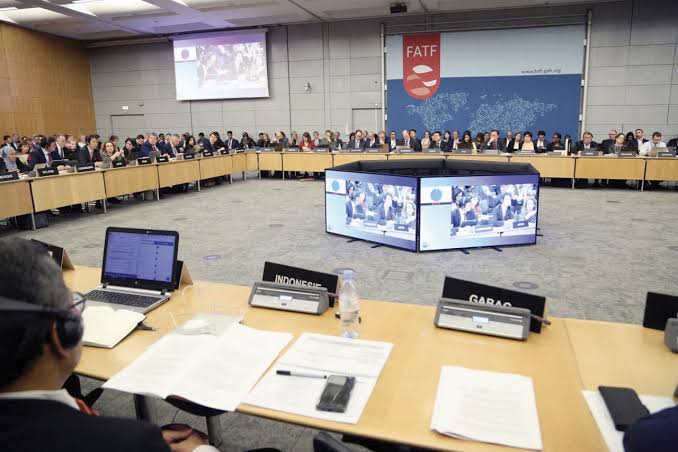
Algeria has reached a significant milestone following its removal from the Financial Action Task Force (FATF) gray list, an upgraded status that recognizes the country’s sweeping regulatory overhauls. Exiting this increased monitoring regime is expected to deliver a major economic boost, reshaping Algeria’s global image and restoring international trust in the strength and adaptability of its financial architecture. Economic experts, invited to weigh in on this development, are unanimous regarding its far-reaching economic benefits.
The exit from the FATF gray list represents far more than a mere technical adjustment. It serves as global validation for the comprehensive reforms launched by President Abdelmadjid Tebboune, sending an encouraging signal to the broader domestic economy. This view is shared by international economic development consultant Abderrahmane Hadef, who notes that the FATF decision marks a pivotal moment in the state-led financial and economic modernization campaign over recent years.
Mr. Hadef particularly highlights the economic ripple effects of this choice, describing the anticipated outcomes as highly substantial and a powerful metric for the return of global market confidence in Algeria’s banking networks.
Reflecting on past challenges, he points out that remaining under special monitoring for years caused foreign banking institutions to hesitate, while driving up scrutiny and compliance costs for cross-border transactions. Eliminating these barriers offers a reassuring guarantee to business partners, international funding bodies, and global investors regarding the credibility and institutional depth of the country’s monetary framework.
“This breakthrough directly supports ongoing initiatives aimed at improving the ease of doing business and boosting national competitiveness,” the consultant added. He maintained that confidence in local financial systems remains a deciding factor when global firms plan investments or partnerships.
In his view, leaving the gray list actively advances Algeria’s goal to integrate more deeply into global trade, scale up its role in international supply networks, and draw high-value productive foreign investments. Furthermore, it elevates the nation’s rating among international credit bureaus and fiscal evaluation agencies, solidifying its status as a reliable economic hub committed to modern practices.
Echoing these points, Mohamed Achir, an economics professor at Mouloud Mammeri University of Tizi Ouzou, stressed the tangible benefits of the decision. “The impact is overwhelmingly positive for the visibility and appeal of the national economy,” he observed, pointing out that foreign direct investment inflows are tightly coupled with environmental transparency, transaction tracking, and banking sector clarity.
“Removing Algeria from this monitoring tier will solidify the trust of global financial markets and bolster both domestic and foreign capital commitments to the nation’s fiscal governance,” Mr. Achir explained.
The Fruit of Regulatory Overhauls
The milestone highlights the rigorous efforts and targeted policy changes implemented by Algeria to exit the gray list, a designation reserved for nations actively working alongside the watchdog to fix strategic regulatory gaps within set timelines.
According to the academic, the exit directly stems from deep systemic updates. “Algeria has made undeniable strides in securing financial transactions and countering both money laundering and terrorist financing. Public institutions have tightened laws to guarantee transparency,” he stated. He pointed to guidelines from the Bank of Algeria and the Ministry of Finance designed to monitor transactions across the board, including those of non-profit associations. The promotion of electronic payment channels, scriptural monetary tools, and systematic verification of asset origins within commercial banks all earned the country favorable evaluations, Mr. Achir noted.
Mr. Hadef agreed, noting that the decision reflects global acknowledgment from specialized bodies regarding the state’s hard work to enhance fiscal openness, fine-tune oversight systems, and bring national rules in line with global anti-money laundering and counter-terrorism financing benchmarks.
“This outcome crowns an extensive reform program targeting both statutory laws and oversight networks. Work focused primarily on lifting compliance standards, tracking financial movements, modernizing Know Your Customer protocols, and fostering closer ties between financial watchdogs and economic security bodies,” he explained. He noted that this progress holds special weight since the FATF remains the global gold standard for assessing financial compliance.
While emphasizing that the watchdog’s decision shows the country’s capacity to quickly align its legal statutes with global demands, Mr. Hadef concluded that exiting the gray list initiates an entirely new phase, demanding continuous dedication to transparency, digitization, and financial accountability.