

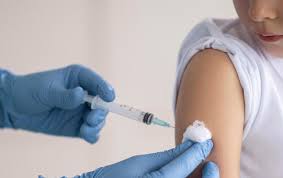
On the occasion of National Immunization Day, observed annually on June 17, healthcare authorities highlighted the milestones of the expanded national immunization initiative and the pathways for its enhancement, specifically with the rollout of the HPV vaccine, while urging continued dedication to safeguarding upcoming generations. This was detailed on Wednesday in an official statement released by the Ministry of Health.
This year’s National Immunization Day was observed in Algiers during a symposium centered on the theme “Preserving Milestones and Safeguarding Future Generations,” aiming to foster a culture of prevention and recognize the hard work dedicated to the field of immunization. The event served as a platform for scientific and institutional dialogue centered on reviewing the national inoculation strategy, its future expansion, and the hurdles associated with shielding various segments of the public, particularly infants, expectant mothers, and adults.
In its briefing, the Ministry of Health reiterated that “inoculation remains one of the most potent public health mechanisms to avert contagious diseases, mitigate their severity, and offer long-term public protection.” For several decades, the expanded national immunization initiative has stood as a core foundation of Algerian medical policy, reflecting the government’s enduring devotion to preventive care, equal access to treatment, and the health security of its residents.
Driven by the dedication of medical practitioners and the ongoing execution of this initiative, Algeria has achieved notable breakthroughs, characterized by the eradication of numerous vaccine-preventable illnesses and a drastic drop in the spread of other communicable conditions. Analysts added that these milestones reflect the success of the implemented domestic frameworks and emphasize the urgency of sustaining efforts to secure widespread vaccination coverage across every corner of the state.
The agency made sure to stress that “maintaining the historic breakthroughs achieved via immunization depends entirely on sustaining a robust and uniform vaccination rate across all provinces.” Constant alertness remains essential to hinder the resurgence of conditions previously brought under control through mass inoculation drives.
The Ministry of Health also updated its call for action to all involved parties to reinforce these established outcomes. Emphasizing that “immunization stands as one of the most successful and cost-efficient medical actions to shield citizens and neighborhoods,” the agency reminded the public that it preserves lives, boosts safety across all age brackets, and represents a vital investment in human growth and the nation’s future.
The schedule for this 2026 gathering featured multiple lectures and academic presentations led by researchers, university professors, and public health specialists. The discussions focused on the transformation of the expanded national immunization initiative, the achievements logged in recent years, and the critical hurdles currently facing the medical sector.
Attendees also analyzed vaccinations for expectant mothers and the logistics surrounding the rollout and deployment of the Human Papillomavirus (HPV) vaccine in Algeria. Framed as a major breakthrough in preventing specific oncological diseases, this vaccine represents a top priority in discussions to further optimize the country’s preventive healthcare roadmap.
Additionally, alongside the main event, various figures from the scientific and academic fields were recognized for their dedication to advancing immunization frameworks and upgrading public wellness. Frontline healthcare workers also received awards acknowledging their daily commitment to executing vaccination campaigns throughout the country’s various districts.
It is worth noting that established by ministerial decree number 42 on June 3, 2019, National Immunization Day primarily aims to stimulate academic discourse surrounding the dynamics of lifelong immunity, shed light on achieved breakthroughs, and boost unified public support for preventive medicine.