

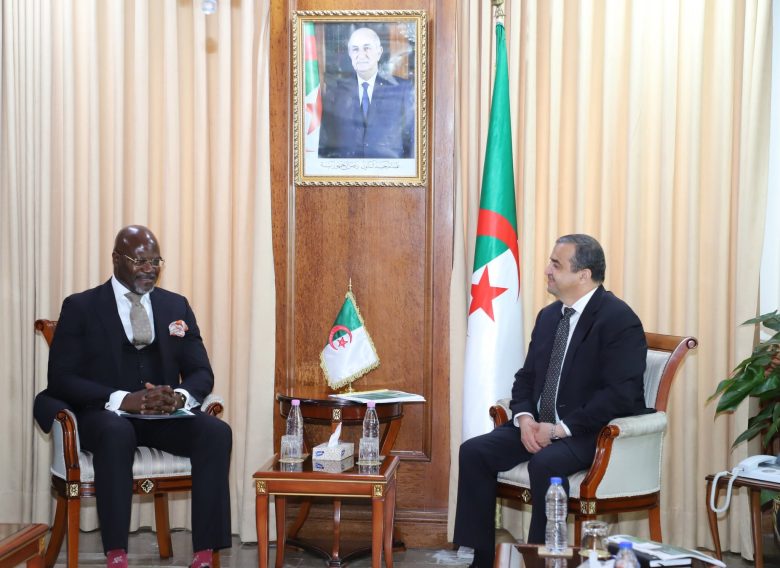
The African Refiners and Distributors Association (ARDA) aims to leverage Algeria’s extensive experience in downstream operations, including refining, petrochemicals, and fuel distribution. This established expertise should serve as a benchmark for other African nations, according to State Minister and Minister of Hydrocarbons Mohamed Arkab. He emphasized that the continent must transition away from a resource-rent mentality toward integrated development focused on processing and maximizing the value of natural resources.
During an official visit to Algeria, ARDA Executive Secretary Anibor Kragha was received on Sunday by the Hydrocarbons Minister. Kragha expressed the association’s strong desire to bolster cooperation with Algeria and tap into its proven capabilities across the refining and petrochemical sectors. Leading a high-level delegation, he outlined the organization’s core activities alongside the pressing challenges facing Africa’s energy sector. He underlined the critical need for intra-African solidarity to guarantee energy access, drive economic growth, utilize cutting-edge technologies, and replicate Algeria’s successful industrial models across the continent.
The Minister of Hydrocarbons detailed Algeria’s framework for managing and upgrading its extractive industries, particularly within the energy sector. He noted that the national strategy is built upon resource sovereignty and the pivotal role of state-owned enterprises—chief among them Sonatrach—in securing national energy supplies and stabilizing global markets. According to an official ministry statement, the minister also highlighted Algeria’s legal and regulatory frameworks designed to spur investment, ensure transparency, and maintain economic stability, all while safeguarding strategic state interests, advancing the energy transition, and protecting the environment.
Furthermore, Mr. Arkab emphasized the human element, calling investment in workforce talent a “decisive factor for the success of extractive policies.” He praised Algerian training centers, such as the Algerian Petroleum Institute and the Sonatrach Management Academy, for their role in developing specialized personnel and transferring technical knowledge. He reaffirmed Algeria’s readiness to share this expertise with African partners through a South-South cooperation model rooted in partnership and regional integration.
Shifting Beyond Resource Rent Toward Integrated Growth
The high-level meeting included the Chief Executive Officer of Naftal, the Vice President of Refining and Petrochemicals at Sonatrach, and senior ministry officials. During the talks, Mr. Arkab insisted that African nations must shift their economic paradigms, urging countries to build domestic industries rather than strictly exporting raw commodities.
“The African continent is now compelled to transition from a rent-based economic model to one of integrated development centered on adding value to natural resources and converting them into sustainable wealth,” Mr. Arkab stated. He explained that this transformation requires localized industrialization, technology transfer, and the creation of national and regional value chains capable of delivering tangible socioeconomic benefits to African citizens.
The discussions also explored avenues to strengthen partnerships between sector entities—specifically Sonatrach and its subsidiaries—and ARDA. The two parties examined future collaboration in the downstream segment, focusing on refining, petrochemical synthesis, storage facilities, and fuel distribution networks across Africa, with a specific emphasis on liquefied petroleum gas (LPG), the ministry source added.
Additionally, the session with the head of ARDA—the premier non-governmental African organization dedicated entirely to downstream hydrocarbon operations since its founding in 2006—addressed shifting global oil product markets and their financial impact on African economies. The leaders discussed strategic ways to boost cooperation amid ongoing international market volatility, concluding the meeting by evaluating a collaborative roadmap and setting strategic priorities for the upcoming period.