

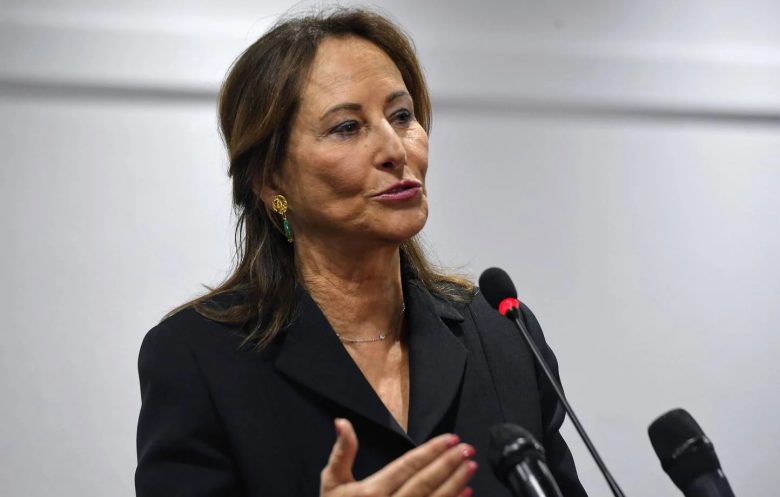
As signs point toward an end to the diplomatic standoff between Paris and Algiers, the former French presidential candidate is breaking taboos. While highlighting her own role as a facilitator, she strongly condemns the “condescending” diplomacy that paralyzed both sides of the Mediterranean for nearly two years.
Yet, this looks to be the beginning of the end for a friction that persisted for nearly twenty-four months between Algeria and France. The current diplomatic shuffle and the resumption of formal channels between the two capitals have reset the clock, fostering genuine hope for a revival in bilateral relations and a politically advantageous easing of tensions.
This new momentum has not pleased anti-Algerian factions embedded within France’s far-right parties, who immediately criticized the start of the Algerian-French dialogue. These reactions are predictable and typical from the champions of xenophobia and Algerophobia.
On the other hand, political figures who advocated for a return to normalcy from the very start of the friction are applauding this new stance by the Élysée, which has chosen to revive discussions with Algeria on a foundation of mutual respect for sovereignty. Among these voices is Ségolène Royal, president of the France-Algeria Association. She describes a genuine “about-face” following an anti-Algerian policy that “cost dearly,” criticizing the president and his consecutive administrations for wasting substantial time.
Writing on X, Ms. Royal noted that “the [French] administration finally acknowledges—after years of blindness that damaged our security cooperation as well as our economic and energy partnerships—that ‘Algeria is a major neighboring country with which we must collaborate, etc., etc.'” She further pointed out that today, the official rhetoric regarding Algeria matches her own statements made over recent months “word for word,” adding that her remarks had been systematically subjected to “dismissive criticism.”
According to the former presidential contender, there were “offensive behaviors and statements directed at Algeria,” and the Élysée, along with its cabinet members, “blocked everything.” This commentary clearly points to the regular attacks against Algeria and its citizens by the former Interior Minister, Bruno Retailleau, during his time in office (between September 2024 and October 2025), alongside the public positions of other politicians and lawmakers.
In August 2025, Mr. Macron had similarly instructed his Prime Minister, François Bayrou, to take a tougher stance with Algiers and remain “resolute,” notably endorsing drastic measures to restrict visa issuance for Algerian citizens.
“I am proud to have paved the way as early as January, upon taking over the presidency of the France-Algeria Association, by re-establishing contact with President Tebboune,” notes Ms. Royal. Since her election to the association’s leadership in December 2025, she has pursued a steady approach to restoring trust between Algiers and Paris, making two trips to the Algerian capital within just a few weeks.
Claiming credit for the current thaw in bilateral dynamics, Ms. Royal did not hesitate to link it to the significant outcomes of Pope Leo XIV’s visit last April, which “greatly opened eyes that had been clouded by absurd posturing.”
In her post, Ms. Royal detailed her past initiatives during this period to bring about a warming of relations. According to her, this involved addressing “taboo subjects” such as historical memory, Algerian heritage properties plundered during colonization, the return of archives, the fallout from nuclear testing, the extradition of former officials convicted or prosecuted by the Algerian judiciary, deportation orders (OQTF), and the case of the Algerian consular agent jailed in France, all while establishing “the proper rules for a balanced dialogue.”
Ultimately, Ségolène Royal particularly emphasized that “the deterioration of ties with numerous African nations has led to France being replaced everywhere.” She concluded that this outcome “could have been prevented, as it stems from the same brand of patronizing behavior. We will need to rebuild these partnerships with our neighbors using intelligence and creativity.”