

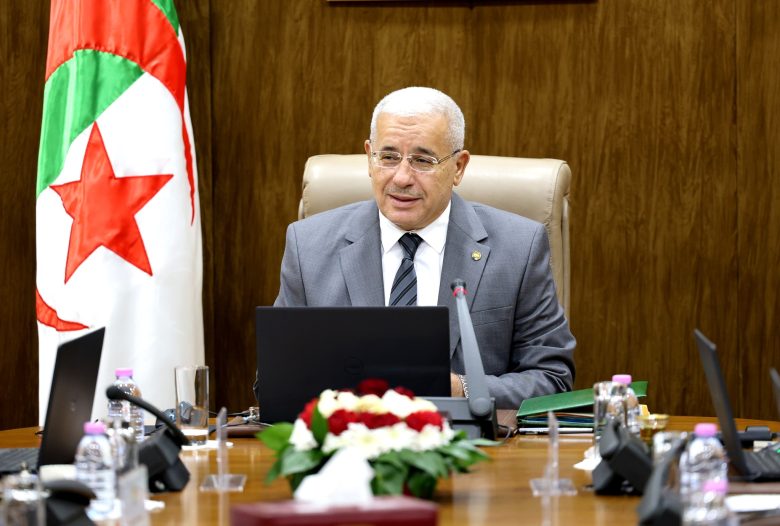
Established by the UN at the impetus of Algeria, the International Day of Living Together in Peace is observed annually on May 16. Marking this occasion, the President of the Council of the Nation, Azouz Nasri, alongside the Speaker of the People’s National Assembly (APN), Ibrahim Boughali, reaffirmed through their respective statements Algeria’s enduring commitment to dialogue, peace, justice, and coexistence among nations.
In a message published on the social network X, Azouz Nasri stated: “On this International Day of Living Together in Peace, Algeria reiterates its dedication to its humanitarian mission rooted in dialogue and the defense of justice, drawing inspiration from its history and the core tenets of its glorious Revolution. Under the leadership of President Abdelmadjid Tebboune, Algeria will remain a steadfast voice for peace, championing the rights of all peoples to freedom, dignity, and secure, stable coexistence.”
For his part, Ibrahim Boughali emphasized in an official APN communiqué that Algeria remains committed to fostering global stability and promoting mutual understanding. This aligns with the nation’s strategic focus on diplomatic, peaceful resolutions to international crises, “in strict conformity with its unwavering principles.”
The APN Speaker further noted that “Algeria’s domestic and foreign approach under President Tebboune is increasingly recognized worldwide as a model for stability and harmony.” He maintained that Algeria’s historical contributions to human civilization mirror its leadership role in advancing peaceful coexistence.
The legislative leader concluded by stressing the urgent need to sustain collective efforts to institutionalize a culture of peace and bolster international cooperation, ultimately serving regional and global development.
Beyond domestic political statements, this global observance stems from a rigorous diplomatic campaign spearheaded by Algeria at the United Nations. The country was instrumental in the passage of UN General Assembly Resolution 72/130 on December 8, 2017, which officially designated the international day.
This initiative, driven by Algerian diplomacy with backing from global partners and civil society groups, secured unanimous adoption. It forms part of a broader foreign policy strategy aimed at cultivating tolerance and peaceful coexistence on a global scale.
Historically, the foundational texts of the Algerian National Revolution—specifically the Declaration of November 1, 1954, and the Soummam Conference platform—laid the groundwork for a vision centered on fundamental freedoms. The Soummam platform explicitly rejected any discrimination based on race, origin, or creed.
The historic document effectively repudiated communal division, framing the national liberation struggle within a universal fight for freedom, justice, and human dignity that transcended religious or social identities.
Against a contemporary geopolitical backdrop marred by escalating security threats, rising social friction, and devastating conflicts—such as those currently ravaging Gaza and other volatile regions—Algerian authorities continue to prioritize diplomacy and dialogue within regional and international bodies. The nation’s focus remains squarely on strengthening consultative frameworks and brokering political settlements to extinguish active global flashpoints.