

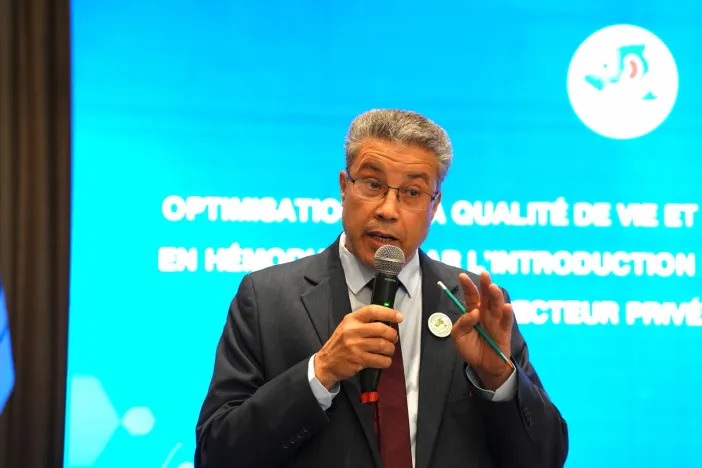
Thousands of Algerians endure regular dialysis sessions—a lifeline marred by chronic fatigue, itching, and complications that weigh heavily on kidney failure patients.
A game-changing option is emerging: high-permeability dialysis. Specialists urged its rollout in private hemodialysis centers during a study day Thursday in Algiers, hosted by the National Association of Hemodialysis Clinic Owners (ANPCH). Still rare locally, this method is now a top priority to enhance patient care and daily life.
ANPCH President Othmani Hassan called for nationwide adoption, especially in private facilities. “We’re talking technical upgrades, but at stake is patients’ quality of life,” he said.
High-permeability dialysis uses superior membranes for thorough blood cleansing, targeting medium-sized molecules behind many issues—unlike standard methods limited to small ones.
Nephrologist Dr. Alaa Eddine Lasfar noted persistent exhaustion, skin irritation, and heart risks often stem from unfiltered toxins. “This isn’t just about survival; it’s about thriving with the condition,” he explained. Advanced, biocompatible membranes cut inflammation and risks while clearing stubborn toxins for better survival and well-being.
Mimicking Kidney’s Natural Role
The goal: replicate the kidney’s nonstop, comprehensive filtration via diffusion for small particles and enhanced convection for larger ones. “Boosted convection marks a leap in purification,” Dr. Lasfar said.
Widely used abroad for decades, Algeria lags but can catch up without massive outlays. “Current gear works with tweaks like better water quality and ultrafilters,” Lasfar added. Local trials show strong toxin removal and patient tolerance.
With younger, working-age patients here, limiting issues preserves independence, Lasfar stressed. Public costs are state-covered, but private clinics face funding hurdles. “We need tariff reviews and stakeholder talks for access,” Hassan said. Ultimately, superior dialysis curbs complications and long-term expenses.
High-permeability offers real hope, but collective action is key. “Amid tech and costs, it’s patients’ dignity at the core,” Lasfar concluded.
Classic Dialysis Hits Limits
Nephrologist Dr. Mohamed Benghanem described it as next-gen membranes outperforming standard filters. Chronic kidney failure builds metabolic waste; low-permeability clears basics like urea, but high-permeability tackles mid-sized culprits of inflammation and pain.
It blends diffusion with pressure-driven convection for kidney-like action. Benefits include less post-session fatigue, fewer itches, and heart protection—aiming not just survival, but a fuller life.