

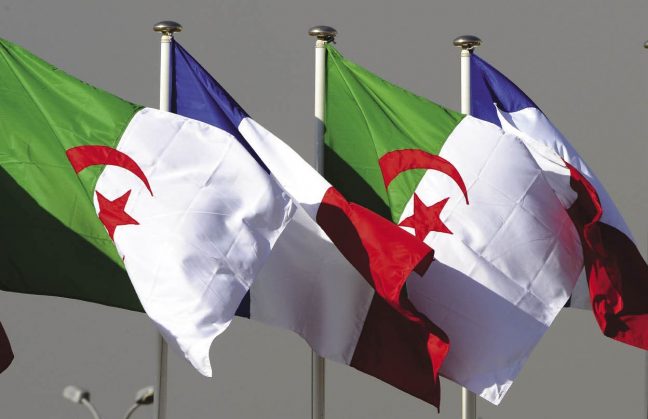
After months of frosty diplomatic standoffs, the Paris-Algiers axis appears to be steering toward reconciliation. Between the pivotal trip by French Interior Minister Laurent Nuñez to Algiers and the highly anticipated visit by his Algerian counterpart Saïd Sayoud to Paris, both capitals are working to replace past barbs with structured dialogue.
Grand gestures of reconciliation aren’t on the horizon yet, but easing signals are stacking up. In a recent AFP statement, French Foreign Minister Jean-Noël Barrot said the revival of robust dialogue between France and Algeria is starting to yield results. The Quai d’Orsay chief pointed to promising early gains, especially on migration and security fronts—key areas that crumbled amid 2025’s tensions.
This momentum truly gained traction on February 16 and 17, during Nuñez’s official visit to Algiers. Hosted by President Abdelmadjid Tebboune, the French interior minister highlighted progress on highly delicate issues like combating drug trafficking and terrorism.
Strikingly, this thaw includes a meaningful concession from Algeria. On March 9, 2026, the Algerian Parliament passed a revised law criminalizing colonialism, notably dropping the demand for prior official apologies. This practical move hints that, amid regional turmoil in Libya and the Sahel, Algiers and Paris are sidelining historical grievances in favor of hard-nosed realpolitik.
By pursuing a low-key, technical path, the two nations seem to have reached common ground on flashpoints: issuing consular travel documents, vital for enforcing France’s orders to leave the territory (OQTFs), with Paris potentially easing its visa policies—a key humanitarian tool for Algiers.
These issues were upended in recent months by the freeze on consular interviews, a direct fallout from soured bilateral ties. Their gradual restart now signals a step back toward normalcy.
Algiers insists on sovereign handling of this touchy matter, which affects the dignity of its nationals and the balance of relations. Any progress hinges on respecting established protocols and a measured approach.
Meanwhile, on March 15, Barrot held talks with his Algerian counterpart—the first in months—as part of a political dialogue reboot kicked off in February.
The stakes are twofold: steadying security cooperation in a fast-changing Sahel and paving the way for an Algerian ambassador’s return to Paris, a post empty since the 2024 recall.
The next move in this diplomatic dance unfolds in Paris, where Algerian Interior Minister Saïd Sayoud is due shortly. Far from routine, his visit aims to turn Barrot’s “early results” into a solid political pact.
While Barrot tempers expectations with talk of “rigorous” dialogue, the era of hostile standoffs looks finished. The real question: Can this cautious reset weather history’s inevitable Mediterranean tremors?