

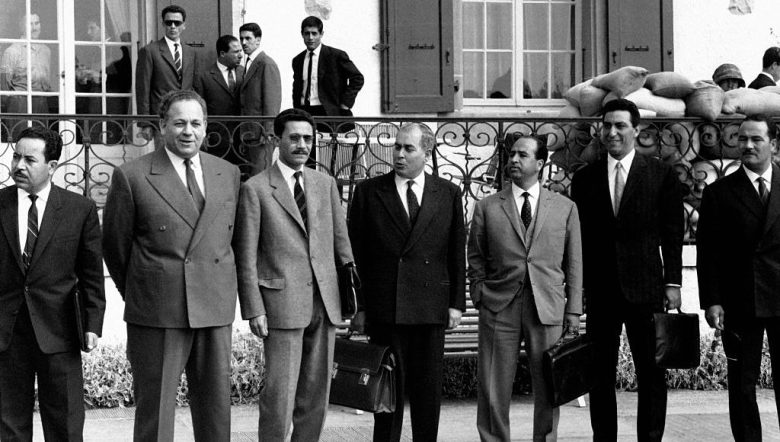
On March 18, 1962, along the southern shores of Lake Geneva, history took a decisive turn. By inking the Evian Accords, France’s colonial power didn’t just silence the guns starting the next day—it conceded defeat to an unyielding national will and acknowledged Algeria’s full sovereignty. Sixty-four years later, as independence flags proudly wave over Emir Abdelkader’s land, the brutal legacy of unparalleled settler colonialism still reverberates with piercing clarity.
For 132 years, Algeria endured a regime of dispossession, cultural erasure, and institutionalized brutality. From the savage conquests ordered by Bugeaud and Montagnac—their directives to “raze” and “annihilate” still send chills—to the OAS’s final terrorist spasms, the colonial project aimed to obliterate a nation. Unlike mere protectorates or outposts, Algeria faced a total assault on its identity. Colonial rule didn’t just plunder resources; it mapped out bodies and minds, striving to shrink a millennial civilization into three French departments.
Yet, despite lopsided odds, the 1954 Revolution tapped diplomatic and military veins to bend fate. The referendum’s landslide—99 percent “yes” votes for independence—sealed a break that enemy tricks or internal rifts couldn’t derail.
Today, reckoning looms across the Mediterranean. The poison of “nostalgérie” hasn’t faded; it’s evolved. Within an unapologetic far right, anti-Algerian rhetoric surges beyond migration debates. It’s a narrative of grudge, fueled by OAS ideological heirs and champions of a fantasized “old France.”
For these factions, Algeria remains an open narcissistic wound. By casting the colonized as perpetual internal foes, they don’t debate history—they rewrite it to excuse today’s exclusions. This pervasive revisionism recasts grim facts—the Dahra suffocations, Laghouat genocide, 1945 Sétif massacres, routine torture, internment camps—as mere “episodes” against a so-called “civilizing mission” that was fundamentally enslaving.
This hate speech carries geopolitical weight. Every step toward memory reconciliation between Algiers and Paris gets sabotaged by these inflammatory media blasts. The stakes are plain: thwart normalization by weaponizing visas, history, and identity to stall vital Mediterranean cooperation.
By stoking hostility, empire nostalgics don’t just affront Algerians—they trap France in its own ghosts. Franco-Algerian rapprochement can’t endure while segments of French politics dodge history, unfiltered by colonial rose-tinted glasses. Dismissing Algerian pain as mere “memory rent” is a grave miscalculation. For Algerians, including youth, colonial scars are raw psychological and social truths, not political props.
Until France moves beyond token gestures to own its wrongs and offer moral amends, it risks lingering as the “eternal enemy” in young Algerians’ collective psyche. Still, the thick web of economic and human ties across the Mediterranean is a strength—one that can flourish only on ground cleared by truth and mutual respect.