

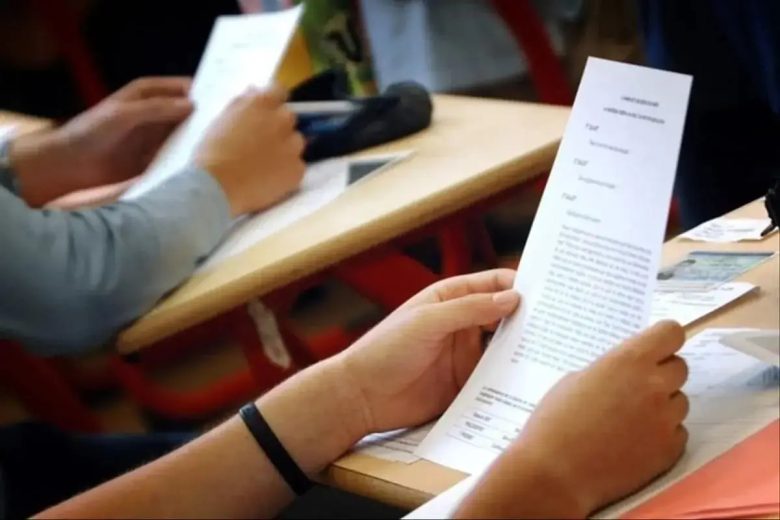
With only a few days remaining before the kickoff of the June 2026 baccalaureate session—scheduled to begin on Sunday, June 7, and span a five-day period—the Ministry of National Education has entered the final phase of its preparations. Across the educational directorates of the various provinces, mobilization is the order of the day to guarantee the smooth rollout of an examination widely considered one of the most critical milestones in a student’s academic journey.
Approximately 872,000 candidates are set to take part in this decisive assessment, which unlocks the gates to higher education. Fully aware of what is at stake, the Ministry of Education deployed a comprehensive roadmap months ago, structured around organizational, human, security, and logistical frameworks. Currently, all participating entities are operating in permanent coordination to finalize the remaining adjustments before the big day.
Among the major regulatory decisions enacted this year was the official suspension of regular classes on April 30. This measure successfully provided candidates with 36 full days dedicated exclusively to intensive review sessions and exam preparation.
This period of focused revision allowed future graduates to meticulously comb through the school curriculum, solidify their knowledge, and bridge academic gaps at their own pace. Concurrently, educational institutions remained active to offer academic support workshops as well as vital psychological counseling, which is essential to alleviate student anxiety as the exam date approaches.
This window also enabled school administrations to focus entirely on the technical and structural arrangements tied to the national exam, completely insulated from the daily demands of classroom management.
In tandem, the National Office of Examinations and Competitions launched its ticket distribution drive through its digital portal. This phase traditionally signals the official entry of candidates into the high-stakes exam atmosphere.
Thanks to the digitized system now in place, every student can access their designated testing site, verify personal data, and review the statutory guidelines governing the administration of the tests.
The ministry’s technical branches are monitoring this process closely to mitigate any digital glitches or data discrepancies that could distress candidates during these final pre-exam days.
On the ground, regional education departments have finalized a large portion of the logistics regarding the mapping and structuring of testing sites. This phase includes organizing the human resources tasked with monitoring the tests, alongside setting up administrative and supervisory teams.
Test center directors have been selected based on rigorous criteria, including extensive professional background, administrative precision, and the capacity to efficiently navigate delicate situations or unexpected emergencies.
These administrators will fulfill a central function throughout the testing cycle. They are specifically charged with enforcing strict compliance with regulatory protocols, maintaining discipline within the facilities, and overseeing operations from the unsealing of exam papers to the collection of answer sheets.
Proctors Mobilized to Counter Exam Malpractice
Preserving transparency remains a top priority for the Ministry of National Education. To this end, regional education directorates have finalized the deployment and distribution of teaching staff assigned to proctoring duties.
These assignments were executed with meticulous care to avoid any scheduling conflicts or scenarios that could compromise the neutrality of the examinations. The principle of “reinforced proctoring” will be implemented across all testing venues to deter any attempt at cheating or academic dishonesty.
Proctors will also be provided with the necessary accommodations to carry out their duties under optimal conditions, particularly regarding logistical organization and personal welfare.
Another vital link in this regulatory chain is the deployment of state-appointed observers tasked with monitoring the progression of the tests inside the examination rooms.
Their mandate involves inspecting every phase of the protocol, from the initial opening of test packets to the collection and secure transport of exam papers. They are required to report any procedural anomaly or breach that could impact the credibility of the test.
The ministry views these observers as a genuine verification mechanism designed to further cement the transparency and integrity of the Algerian baccalaureate.
Preparations extend far beyond academic and administrative tasks. Substantial security and logistical assets have also been deployed across the entire national territory.
According to metrics gathered from regional education offices, security protocols are now fully operational in close coordination with local authorities, law enforcement branches, and relevant sector representatives.
The security master plan notably covers the physical protection of testing sites and provides a secure escort for the transport of exam topics and student answers. Concurrently, an extensive logistics network has been activated to manage transport for supervisors and cater meals for all mobilized personnel.
This framework also integrates a strict medical protocol inside the centers to handle any health emergencies that may arise during the five days of testing.
Through these measures, authorities aim to prevent any incident capable of disrupting the session, especially given that the baccalaureate represents a massive annual organizational challenge for the country.
As the countdown advances, pressure is visibly mounting for candidates and their families, who all hope to successfully clear this major hurdle. For its part, the state is banking on flawless organization and tight intersectoral coordination to deliver an exam session defined by transparency, peace of mind, and, above all, equal opportunity for all.