

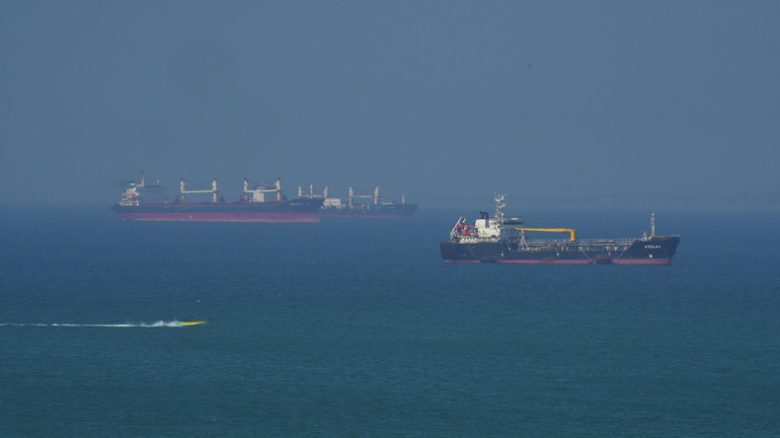
Washington and Tehran are discussing a streamlined, single‑page agreement that combines a ceasefire with a nuclear freeze. China and several Gulf states are pressing to keep shipping open through the Strait of Hormuz, while Iranian ballistic missiles and regional influence remain outside the scope of the talks. The indirect negotiations between the United States and Iran look increasingly familiar: proposals relayed via mediators, American threats, Iranian counter‑offers, followed once again by renewed economic pressure and yet another round of compromise‑seeking. Despite the mutual lack of trust, both Washington and Tehran appear locked into a logic of de‑escalation, since neither side sees a viable military or economic alternative.
In this context, Pakistani mediation has revived a new memorandum of understanding aimed at averting a total collapse of the fragile ceasefire around the Strait of Hormuz. China, joined by several Gulf countries, is actively pushing both sides to keep maritime traffic flowing and to avoid a lasting spike in energy prices. Beijing is hosting parallel meetings between American and Iranian officials, signaling the growing internationalization of the dossier.
An American concession? The draft currently under discussion marks a notable shift. Unlike earlier proposals, which were often long and fragmented, the new text is built around fourteen guiding principles that couple military de‑escalation with a nuclear‑framework sequence. Washington would accept a thirty‑day window to negotiate technical details, moving away from its previous “take‑it‑or‑leave‑it” stance. In return, Tehran would now accept folding the nuclear file into the termination of hostilities and the lifting of the maritime blockade. The envisaged concessions include an Iranian moratorium on uranium enrichment and the possible transfer abroad of part of its highly enriched stockpiles. The United States, in turn, could relax some sanctions and unblock frozen Iranian assets.
Both sides thus seem to favor a quick crisis‑management deal over a comprehensive, long‑term settlement. The draft text deliberately leaves out two major issues: Iran’s ballistic missile program and its regional influence. This omission reflects mutual concessions. Washington appears to have dropped, at least for now, demands to bring these topics into the negotiations, to avoid an immediate breakdown. For Iran, however, these files remain absolute red lines.
——————Insider‑trading suspicions after rumors of a deal
Rumors of an agreement between Washington and Tehran have already pushed oil prices down. Suspicion of insider trading has grown in the wake of substantial financial moves. Global markets are now keenly watching the evolution of tensions around the Strait of Hormuz. The hint of a possible rapprochement between the United States and Iran sent a shockwave through world markets, causing crude prices to plunge while U.S. stock indices climbed. According to Axios, Washington and Tehran are close to a one‑page memorandum designed to end the war and pave the way for fresh nuclear negotiations. The prospect of calming hostilities immediately fed speculation that the Strait of Hormuz, a key funnel for global oil trade, could reopen fully.
Following this news, Brent crude fell from 108 dollars to around 97 dollars per barrel before partially recovering to about 102 dollars. At the same time, stock markets rallied strongly, with the Nasdaq gaining 1.5 percent and the S&P 500 more than 1 percent. However, this sudden volatility also triggered a fierce backlash on social media and among traders, with some accusing parties of insider‑trading‑style operations. The specialized analytics account “Unusual Whales” claimed that nearly 920 million dollars was placed in bearish oil positions about an hour before the Axios report was published. The account said the holder of these positions likely pocketed about 125 million dollars in profit from the price drop.
These disclosures have fueled accusations of market manipulation and intensified distrust of any diplomatic announcements linked to the conflict. Several analysts have denounced a pattern of “false starts” in the Washington–Tehran talks. Former Republican lawmaker Marjorie Taylor Greene has accused certain power‑linked actors of cashing in on the rapid swings between war threats and peace buzz. Other observers point out that reports of de‑escalation often coincide with stress points in U.S. bond markets, especially when Treasury yields breach critical thresholds.