

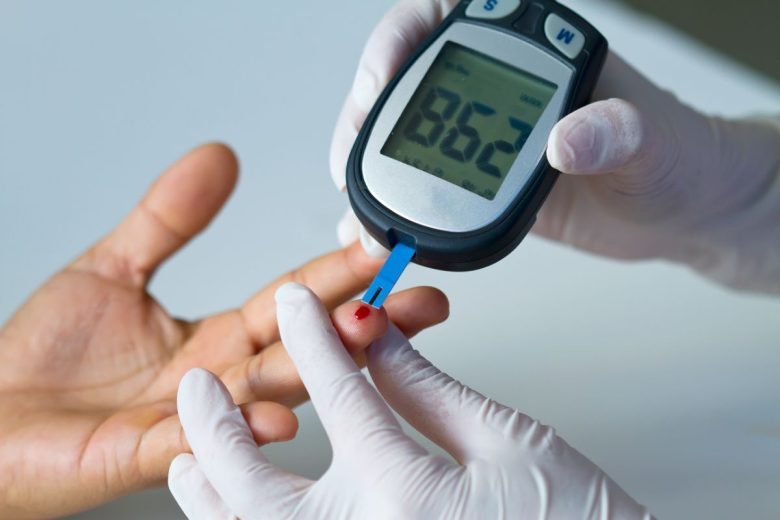
Nearly one in seven adults suffers from diabetes in Algeria. Behind this figure, which reflects the scale of the public health challenge, lies another equally concerning reality: the number of individuals still unaware of their condition. Prevalence of the disease reaches 14.4% among those aged 18 to 69, according to findings from the national STEPS survey. Confronted with this trend, Health Minister Mohamed Seddik Ait Messaoudene is calling to step up prevention, broaden screening, and upgrade patient care.
Presenting these figures on Tuesday to mark World Diabetes Day, the minister warned against the spread of this chronic illness and its broader impact. Its complications extend beyond patients’ physical health, placing heavy strain on families, the healthcare infrastructure, and overall social and economic stability.
Conducted by the Ministry of Health with backing from the World Health Organization (WHO), the STEPS survey—focused on monitoring non-communicable disease risk factors—revealed a 14.4% prevalence rate among adults aged 18 to 69. This finding brings early diagnosis back to the forefront, as a substantial share of people living with diabetes remain undiagnosed.
To reverse this trajectory, the Health Ministry plans to adopt a proactive strategy built around three core priorities: preventing disease onset by promoting healthy lifestyles, expanding early screening and detection, and ensuring consistent access to medication, medical monitoring, and patient education.
With this goal in mind, the ministry recently unveiled the 2026 edition of the National Guide to Best Practices in Diabetology. Intended for healthcare practitioners, this reference manual covers every stage of the patient journey, from prevention and diagnosis to ongoing follow-up and complication management.
The framework also devotes special attention to groups requiring tailored protocols, notably children, pregnant women, and the elderly. Furthermore, it outlines care standards during hospitalizations and throughout the fasting periods of Ramadan.
The minister urged clinicians to adopt these guidelines and integrate them into daily practice. Developed jointly by medical experts and practitioners, the document aims to standardize clinical protocols and elevate the overall quality of patient care.
Strengthening medical expertise forms another pillar of this initiative. In this regard, Ait Messaoudene announced that 384 general practitioners completed training under the specialized diploma program in diabetology. Spanning eleven cohorts, these doctors were trained across the medical faculties of Oran, Constantine, Algiers, and Setif.
Their deployment within local public health establishments (EPSP) is expected to reinforce frontline healthcare delivery. Screening, patient monitoring, and health education rank among the core duties being bolstered to bring medical services closer to citizens and curb delayed referrals to specialized facilities.
On the ground, the ministry also launched awareness and screening drives across several provinces this month. These efforts seek to raise public knowledge of risk factors and early symptoms, identify at-risk individuals, and offer necessary diagnostic tests, referring complex cases to specialized health centers.
Scheduled to expand gradually to additional provinces over the coming months, this program will place particular emphasis on isolated regions and communities located far from major referral hospitals.