

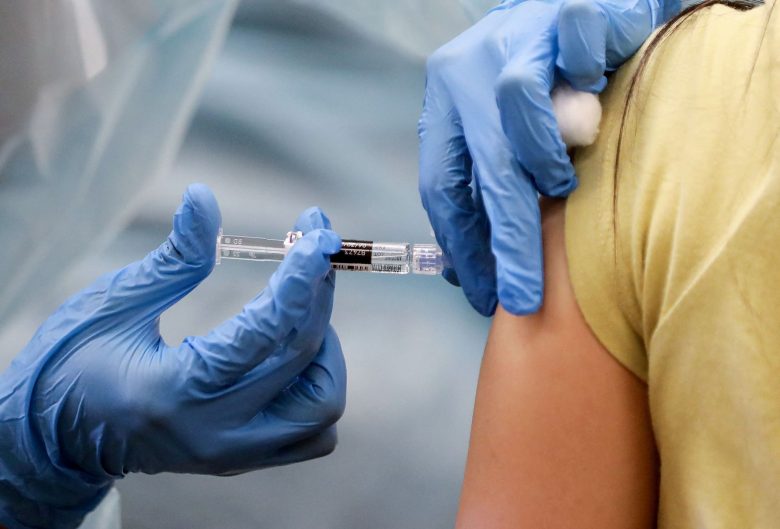
The Ministry of Health has designated October 27 for the launch of the national vaccination campaign against seasonal flu for the 2026-2027 season. Preparations will commence with the withdrawal of vaccines from the Pasteur Institute of Algeria, in Dely Ibrahim, starting October 21. Healthcare institutions are requested to mobilize their human and logistical resources, giving priority to the most vulnerable individuals.
In an instruction dated October 11 and numbered 16, the ministry requested provincial health services to reactivate the organizational framework and take necessary measures for the smooth execution of the operation. The objective is to ensure adequate vaccination coverage through coordination among health directorates, local public health establishments (EPSP), and hospital structures.
Health directorates must formulate an action plan providing for the appointment of coordination and monitoring teams, the identification of vaccination centers, as well as the evaluation of personnel and equipment requirements.
EPSPs will be responsible for mapping out individuals to be vaccinated within their jurisdictions, establishing necessary teams, and organizing the preservation and transport of doses. Maintaining the cold chain constitutes an essential requirement to preserve vaccine quality.
Monitoring will focus on the vaccination coverage rate, potential side effects, and operational costs. For supplies, each province must appoint a representative tasked with retrieving doses from the commercial department of the Pasteur Institute of Algeria starting October 21. The representative must present purchase orders issued by health facility directors, in accordance with the distribution plan attached to the instruction.
Public hospital establishments and other hospital structures will provide logistical support to EPSPs, notably through supplying teams, transportation means, and equipment guaranteeing cold chain compliance. They must also organize the vaccination of their own personnel.
Vaccinations will take place primarily within polyclinics, maternal and child protection centers, and health clinics. The selection of sites will depend on the number of targeted individuals and locally identified needs.
To ensure procedural traceability and monitor potential side effects, centers must maintain registers, vaccination record books, certificates, and documents required for follow-up. Teams will comprise a physician, an administrative officer tasked with registration, and two to three vaccinators, depending on the volume of individuals to accommodate. They will ensure the preliminary medical examination, vaccine administration, and recording of procedures, while maintaining equipment required to handle potential side effects.
The campaign will target as a priority individuals most exposed to seasonal flu complications, in accordance with recommendations from the expert committee tasked with preventing and combating this infection.
Those targeted notably include individuals aged 65 and over, residents in care facilities, as well as children and adults suffering from chronic illnesses. This latter category includes patients with cardiovascular diseases, chronic respiratory conditions, diabetes, obesity, or renal diseases.
Vaccination is also a priority for individuals presenting immune deficiencies, notably organ transplant recipients, cancer patients, people living with HIV, alongside individuals suffering from asplenia or sickle cell disease. Pregnant women, regardless of their stage of pregnancy, healthcare workers, and pilgrims also figure among the targeted categories.